Every custom order comes down to one question: how does the logo go on? There are five answers, and the right one depends on three things, in this order: the garment, the artwork and the quantity.
Start with the garment
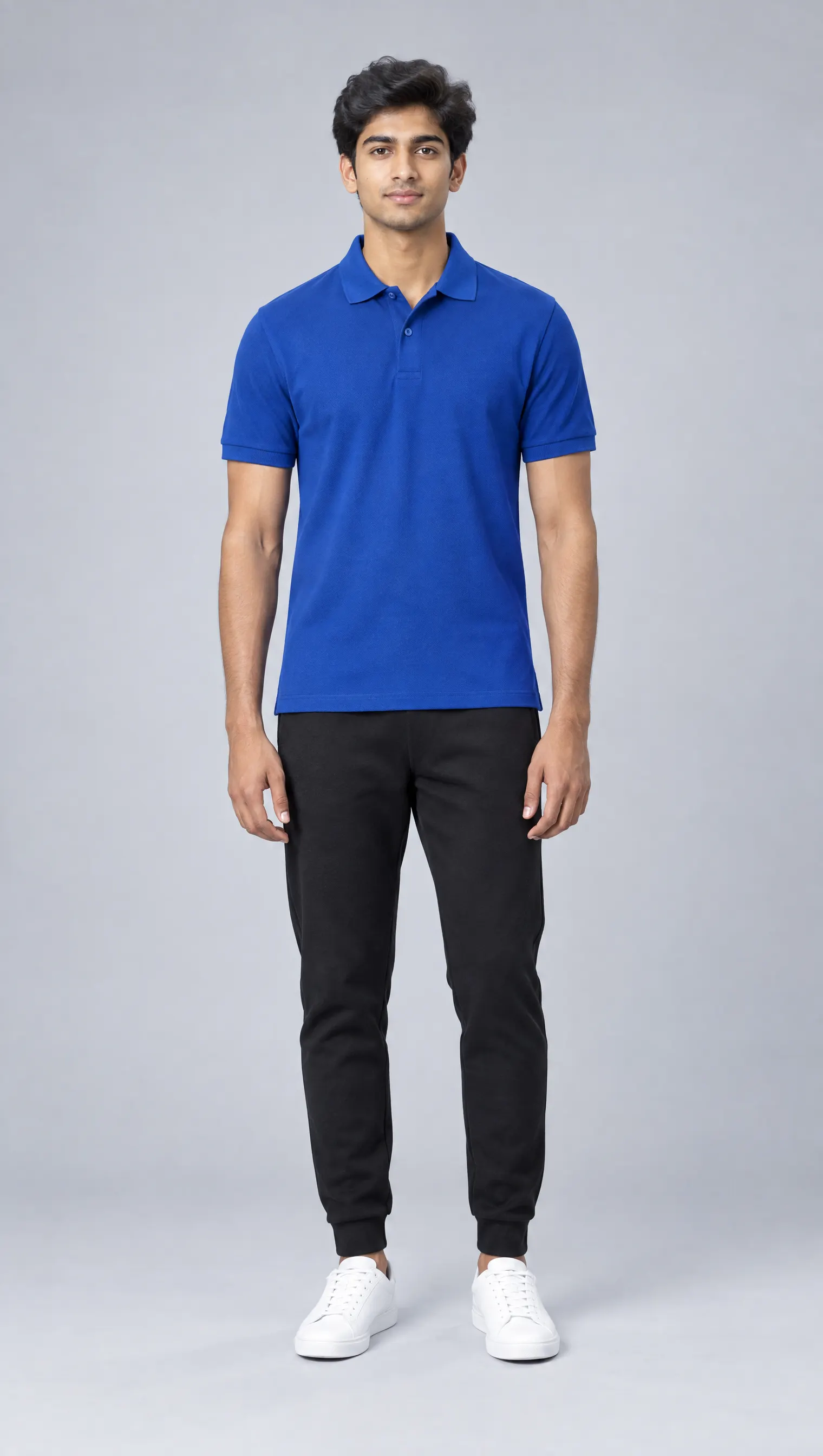
A polo is pique, a textured knit. Print sits on an uneven surface and shows it, so polos are embroidered almost every time. A t-shirt is smooth jersey, so every method works on it. A hoodie takes embroidery on the chest and print on the back. Polyester sportswear is the one exception: it is sublimated, so the colour goes into the fibre.
Then the artwork
- One or two flat colours, sharp edges: screen printing or embroidery.
- Full colour, gradients, photographs: DTF or DTG. Neither needs a screen, so colour count does not change the price.
- Small text or fine lines: DTF holds detail that a screen fills in. Embroidery needs text at least 5 to 6 mm tall to stay readable.
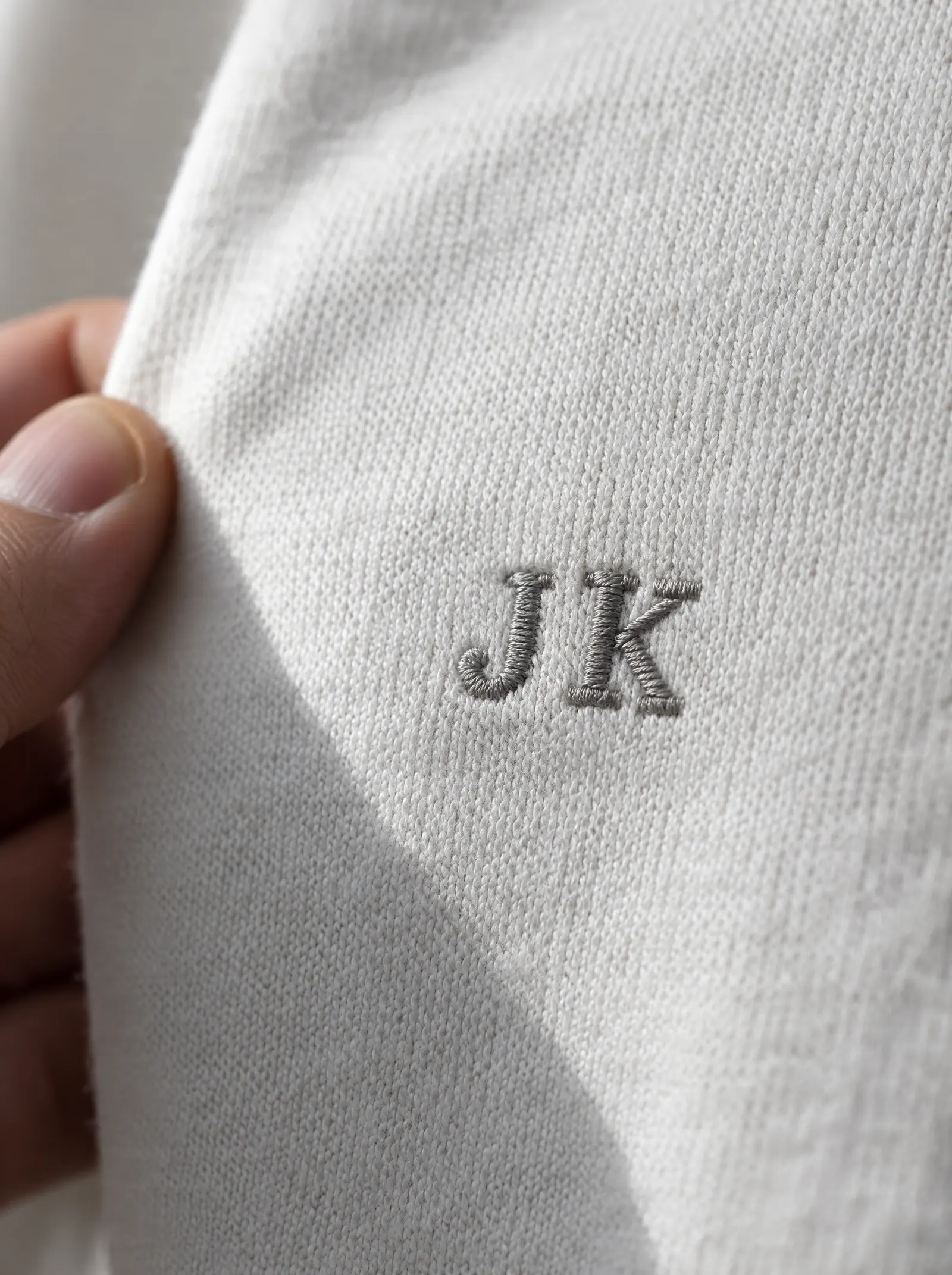
- A small mark that must last for years: embroidery. Thread outlasts every print.
Then the quantity
Screen printing has a setup cost per colour, so it is the cheapest per piece on a large run and the most expensive on a small one. DTF and DTG have no setup, which is why a single piece in twelve colours is viable. Embroidery is priced by the size and detail of the logo, not its colours.
The five methods at a glance
- Embroidery: thread, not ink. Left chest, cuff, back neck, cap front. Lasts as long as the garment.
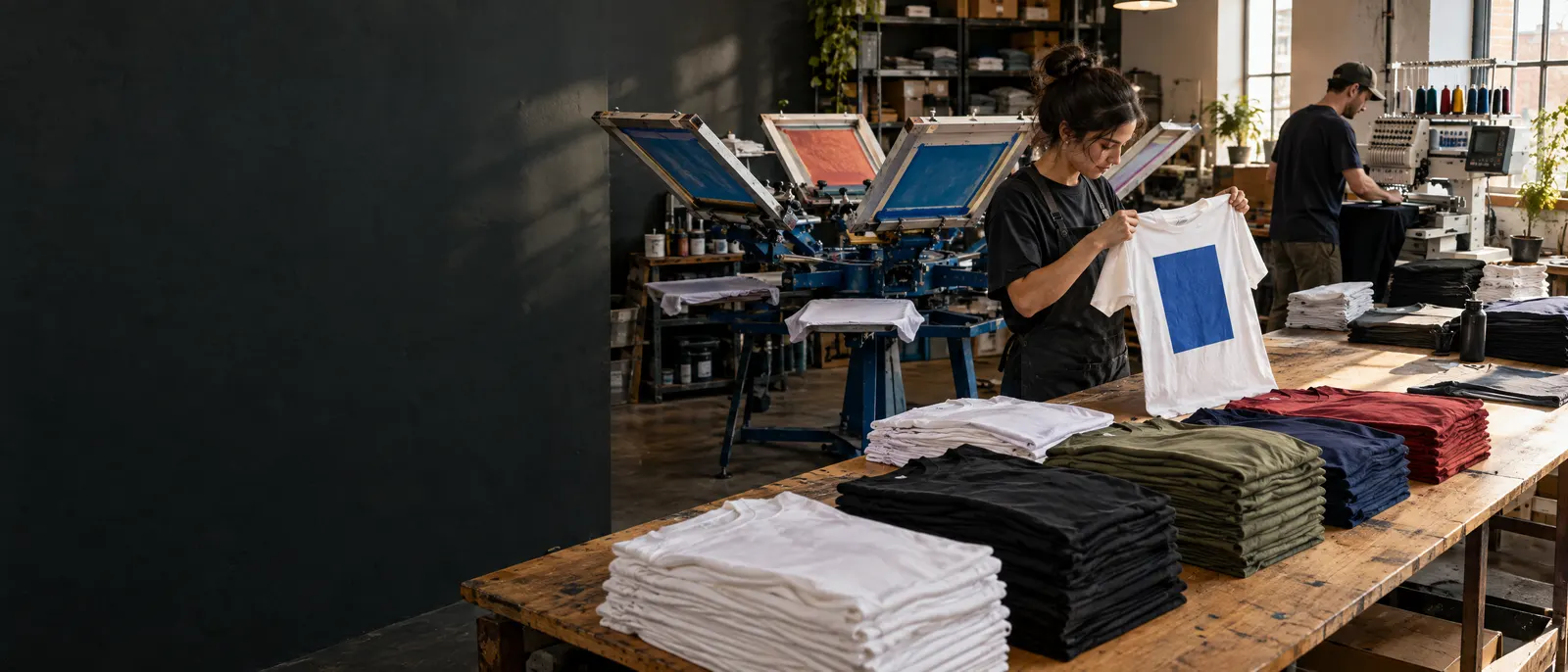
- Screen printing: flat colour, one screen per colour, best on longer runs.
- DTF: printed onto a film and pressed on. Full colour on any fabric, from one piece. You can feel a thin film.
- DTG: ink straight into the cotton, like an inkjet. Photographs with almost no feel, best on cotton.
- Sublimation: dye inside polyester fibres. It cannot crack or peel, and it can cover the whole panel.
The short answer
Polos and anything that should feel premium: embroider the logo. A bold logo on a lot of tees: screen print it. A detailed, colourful design on a few pieces: DTF or DTG. Team jerseys: sublimation.
We do all five on our own floor, so we recommend the method with your quote and tell you why. Send us your logo and we will come back with a mockup before anything is made.
Quick answers
Is embroidery or printing better for a polo shirt?
Embroidery, almost every time. A polo is pique, a textured knit, so print sits on an uneven surface and shows it. Embroidery also lasts: thread outlasts every print and lasts as long as the garment, which is why it suits anything that should feel premium.
Which printing method is best for a full-colour logo or a photograph?
DTF or DTG. Neither needs a screen, so the number of colours does not change the price, and a single piece in twelve colours is viable. DTF works on any fabric and holds fine detail; DTG prints photographs with almost no feel, best on cotton.
What is the cheapest way to print a logo on a lot of t-shirts?
For a bold logo in one or two flat colours, screen printing. It has a setup cost per colour, so it is the cheapest per piece on a large run and the most expensive on a small one. DTF and DTG have no setup at all.