
The fabric decides three things about a jersey: how it feels after twenty minutes of running, how it looks after a season of washing, and which printing methods are possible at all.
Polyester, almost always
Match jerseys are made in polyester for good reasons:
- It dries fast. Polyester holds very little water, so sweat moves to the surface and evaporates instead of soaking the shirt.
- It keeps its shape. It does not stretch out at the collar or shrink in the wash the way cotton can.
- It takes sublimation. Sublimation dye bonds with polyester and not with cotton, which is what makes an all-over design possible. On a cotton blend, only the polyester share takes the colour, so the result looks washed out.
Mesh or smooth knit
- Mesh has small open holes in the knit. It breathes better and suits football, basketball and anything played in the afternoon heat. Many jerseys use mesh only on the side panels and under the arms.
- Smooth knit has a closed surface. It prints sharper fine detail, small text and thin lines, and suits cricket jerseys, where the look in photographs matters as much as airflow.
Why not cotton
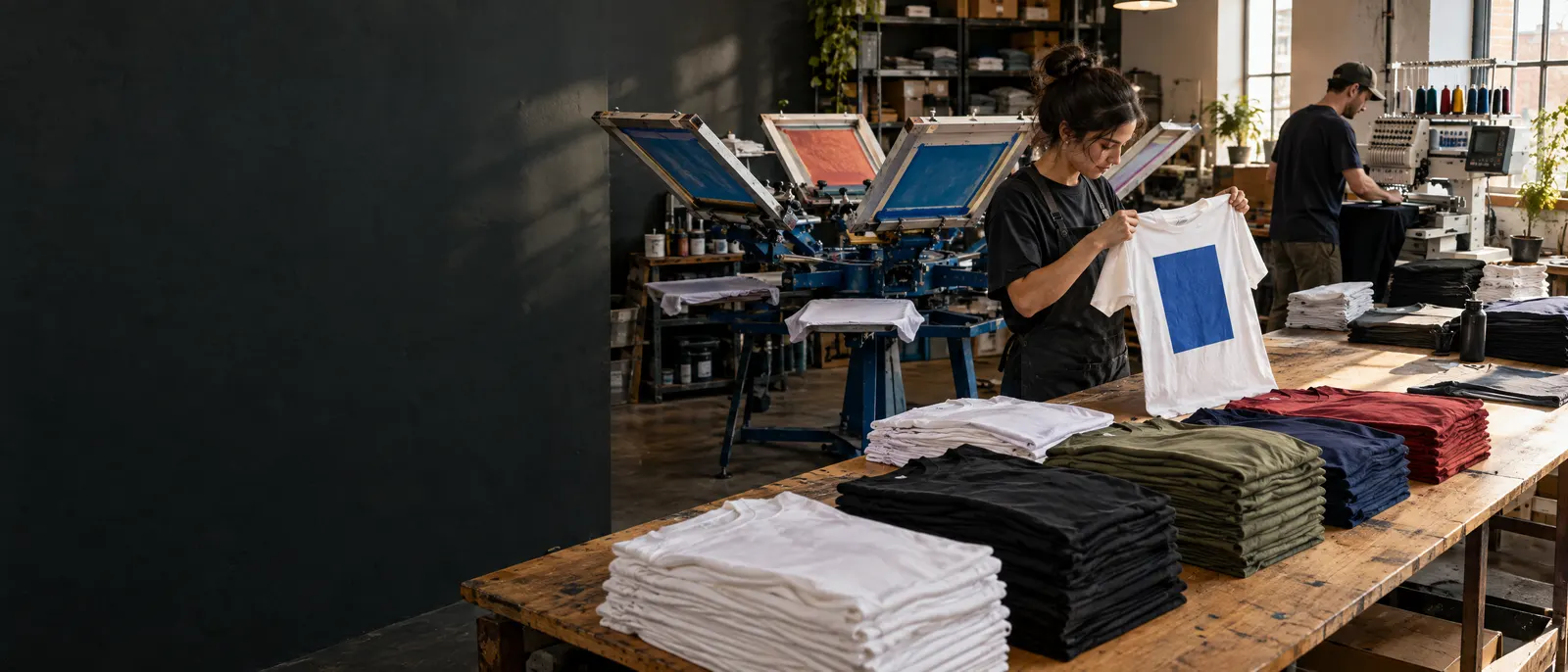
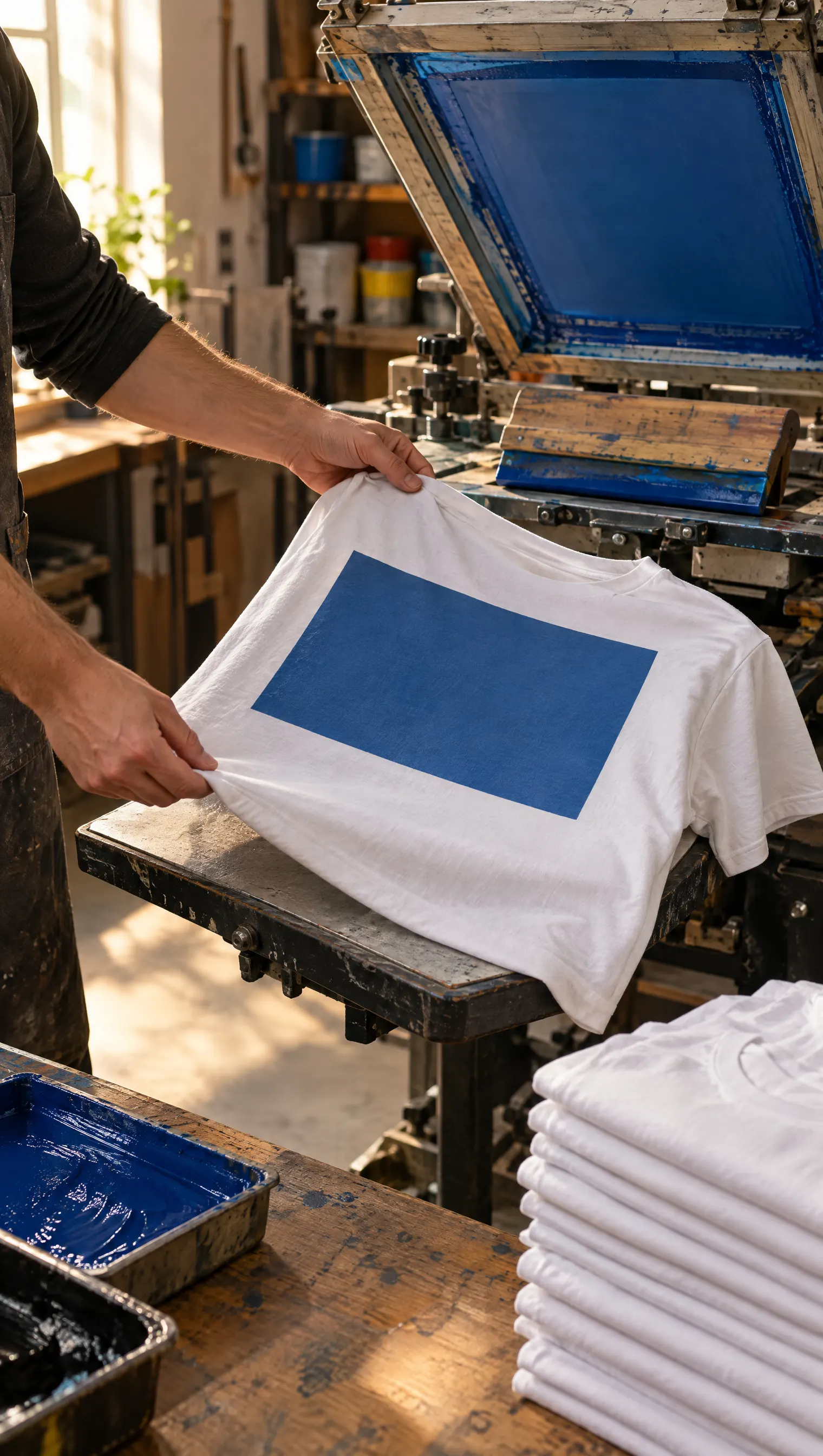
Cotton is comfortable standing still and heavy when wet. A cotton jersey after a long innings is a wet towel. It is right for a team t-shirt worn off the field, at the after-party or the fan stand: see custom t-shirt printing.
Weight
A lighter jersey is cooler; a heavier one feels more substantial and lasts longer. For Indian conditions, most teams are better served by a lighter fabric with mesh panels than by a heavy one. If you are unsure, order one jersey first and play in it.
How to care for it
Wash cold, inside out, and dry in the shade. Skip the iron, or use it on low on the reverse. Sublimated colour does not crack or peel, but heat and harsh sun fade any fabric faster.
Choose the jersey for your sport: cricket, football, basketball.