
A polo is the office standard: smart enough for a client meeting, comfortable enough for a long day. A good one is worn for years; a poor one curls at the collar after a month. Here is what to specify.
The fabric
Polos are knitted in pique, a textured cotton knit that breathes and holds its shape. Ask the weight: a heavier pique looks richer and keeps its form. We offer 230 GSM for everyday wear, 270 GSM for a heavier, more structured polo, and polyester for sport.
The collar is the whole garment
A polo is judged by whether its collar still sits flat after thirty washes. That comes down to the knit of the collar and how it is attached. A flat-knit collar, cut and sewn properly, keeps its shape; a cheap one curls.
Colour
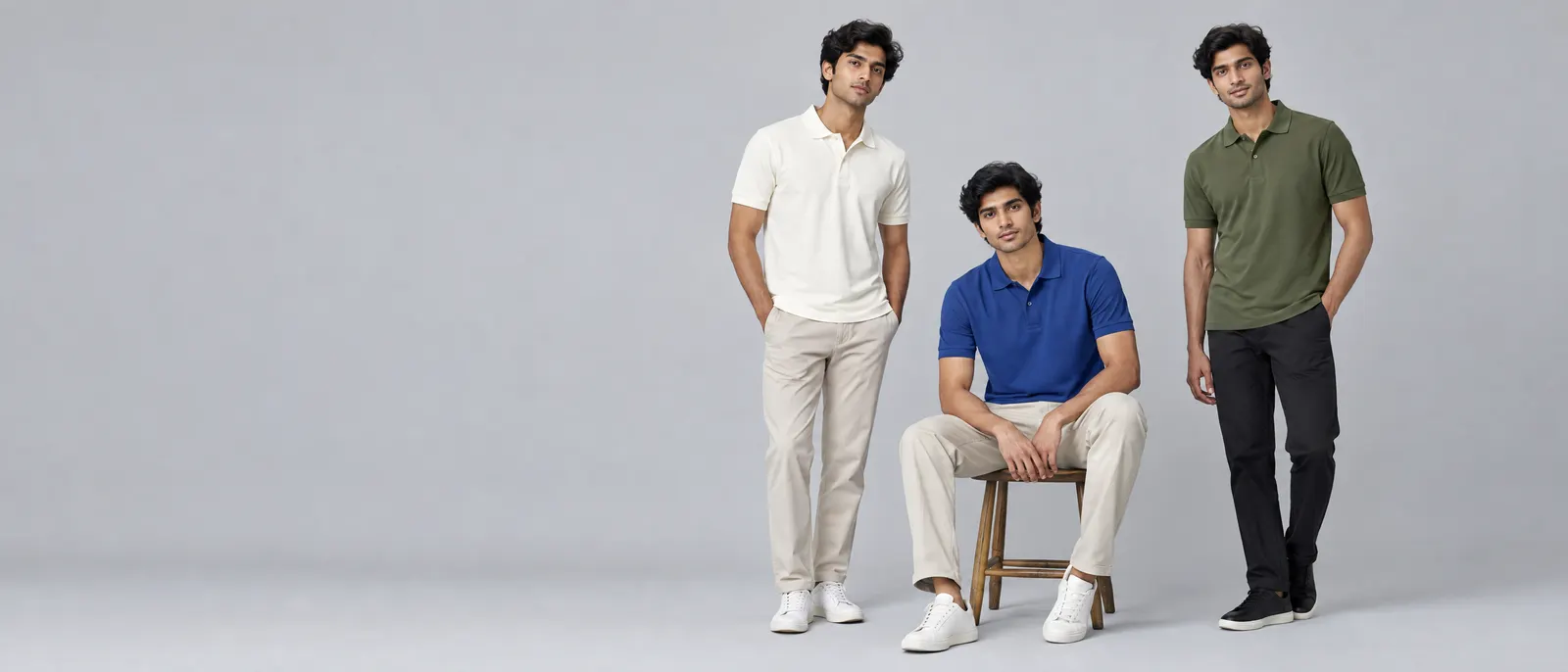
Navy, black, grey and white are worn most. Use your brand colour in the details: a contrast collar and cuffs, a contrast placket, or tipping, the thin stripes knitted into the edge of the collar and cuffs. If you want the body in your exact brand colour, we dye it to your Pantone; that starts at one roll, about 50 polos.
The logo
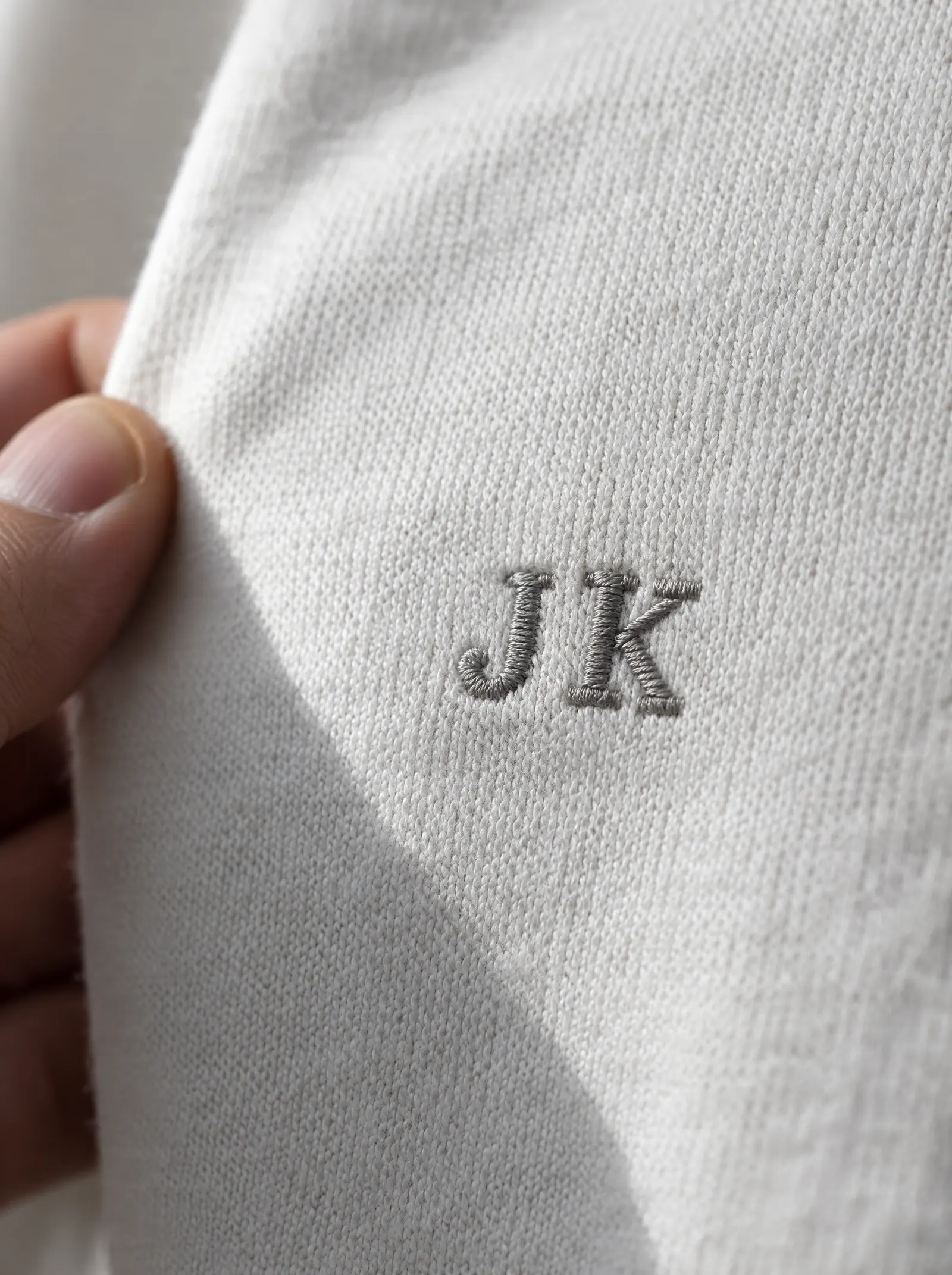
Embroider it. Pique is textured, so print sits on an uneven surface and shows it; thread does not mind the texture and reads as considered. The left chest is standard; a small mark on the sleeve or below the back collar adds a finish.
Sizes
Collect each person's size, and check a size chart measured flat. We make nine sizes, XS to 5XL.
Try one first
One piece is a real order on most of our range. Build your polo with every option and its minimum, or send us your logo.
Quick answers
What GSM is best for a company polo shirt?
230 GSM pique for everyday wear, or 270 GSM for a heavier, more structured polo. Pique is a textured cotton knit that breathes and holds its shape, and a heavier pique looks richer and keeps its form. For sport, choose polyester.
Should a logo on a company polo be embroidered or printed?
Embroidered. Pique is textured, so print sits on an uneven surface and shows it, while thread does not mind the texture and reads as considered. The left chest is standard; a small mark on the sleeve or below the back collar adds a finish.
Why do polo collars curl, and how do I avoid it?
A collar curls because of how it is knitted and attached. A flat-knit collar, cut and sewn properly, keeps its shape, while a cheap one curls. A good polo is judged by whether its collar still sits flat after thirty washes.