
Two t-shirts can look the same in a photograph and feel nothing alike. The difference is the fabric: what fibre it is spun from, how the yarn is made, and how heavy the cloth is. Here is what each choice means for a custom t-shirt.
The three main fibres
Cotton
Cotton is a plant fibre. It is soft, breathes well and absorbs sweat, which is why it is comfortable for a long day in a warm climate. It takes print and embroidery well, and it is the natural choice for everyday wear.
Its weak points: it holds moisture rather than moving it away, so a cotton tee gets heavy during hard exercise, and a poorly made cotton cloth can shrink and lose its shape after washing.
Polyester
Polyester is a synthetic fibre. It is light, strong, dries quickly and moves sweat away from the skin, which makes it the fabric of sportswear. It holds its shape and colour through a lot of washing.
It is also the only fabric that takes sublimation, where dye goes into the fibre itself and the design can cover the whole garment. That is why team jerseys are polyester. On the other hand, polyester feels less natural against the skin for all-day office wear, and it can hold odour more than cotton.
Blends
A blend mixes cotton and polyester, often in a ratio such as 60/40 or 50/50. The idea is to take something from each: some of cotton's softness and some of polyester's shape and quick drying. Blends often have a heathered, slightly mottled look. They suit casual and athletic tees, but the polyester content changes how some prints behave, so check the method before you choose.
Combed cotton, and why it matters
Not all cotton is the same. Raw cotton contains fibres of different lengths. Combing brushes out the short ones and lines up the long ones before the yarn is spun.
The result:
- Smoother cloth, because there are fewer loose short fibres on the surface.
- Less pilling, the small bobbles that appear after washing.
- A stronger yarn, which lasts longer.
- A better surface for print, because the ink sits on an even face.
Carded cotton skips the combing step. It is cheaper and rougher. When a tee is described as combed cotton, it has been through the extra step, and you can usually feel it.
Our standard tee is 240 GSM combed cotton.
Weight: what GSM tells you
GSM is grams per square metre: how heavy the cloth is. It is the single most useful number on a t-shirt's label.
- Under about 160 GSM: light, often see-through in pale colours.
- Around 180 to 200 GSM: a typical retail tee.
- 240 GSM: dense, holds its shape, does not go see-through, survives years of washing.
- Heavier: structured, boxy tees, often cut oversized.
A heavier cloth holds a print or embroidery without puckering and looks better in photographs. A lighter cloth is cooler and cheaper but wears out faster. What GSM means goes into weights in more depth.
The knit matters too
The same fibre can be knitted in different ways:
- Single jersey: smooth on the face, the normal t-shirt knit. Every print method works on it.
- Pique: a textured knit, used for polos. It looks smarter, but print sits on an uneven surface, so polos are usually embroidered.
- Interlock and rib: heavier and stretchier, used for collars, cuffs and some premium tees.
How fabric affects the print method
- DTG is ink sprayed into the fibre, like an inkjet on cloth. It works best on cotton.
- Screen printing works on cotton, blends and polyester, with inks chosen for each.
- DTF is a printed film pressed onto the garment. It works on almost any fabric.
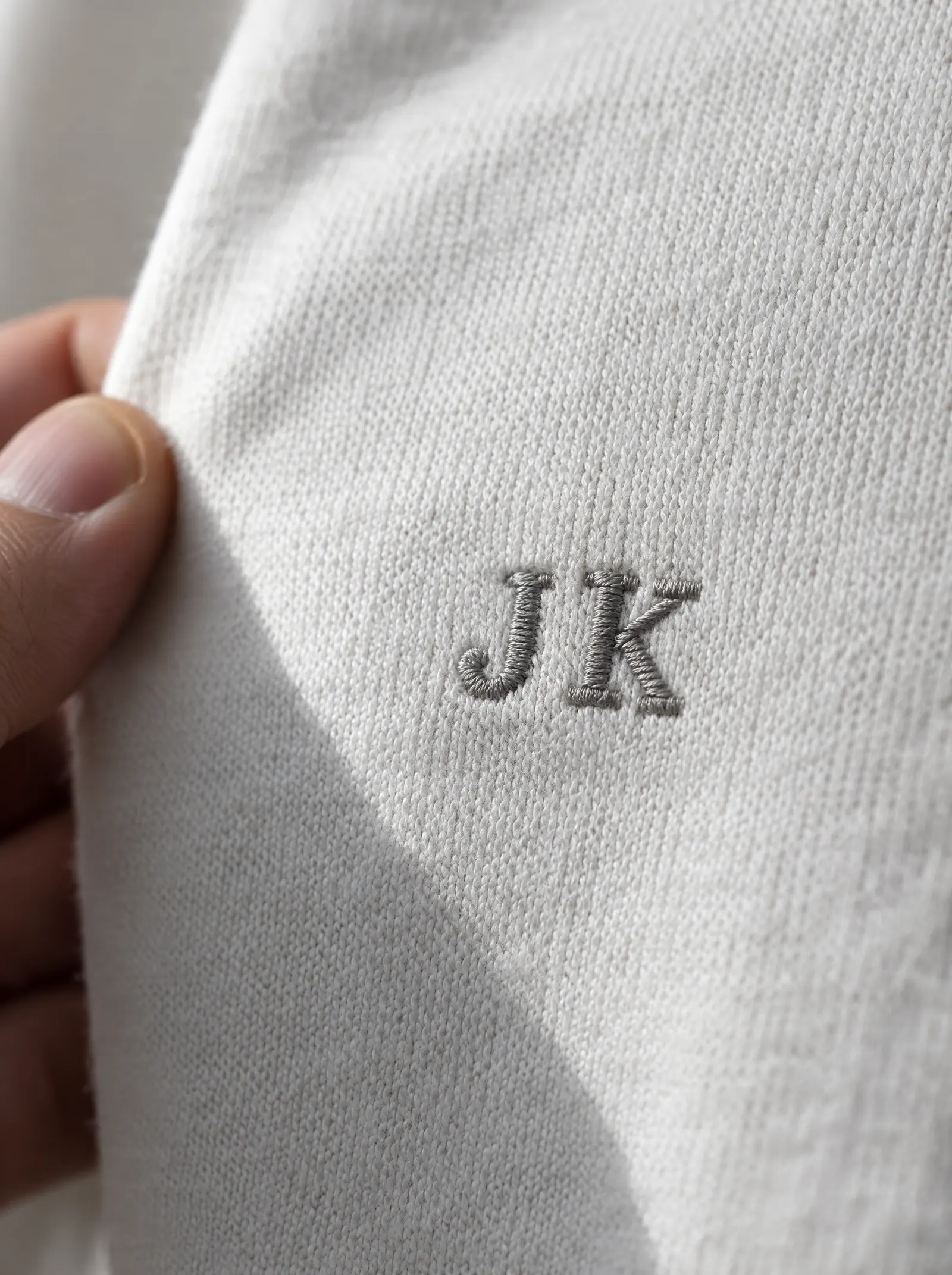
- Embroidery works on almost anything, but a light cloth may pucker under a dense logo.
- Sublimation works only on polyester, and only on white or light garments.
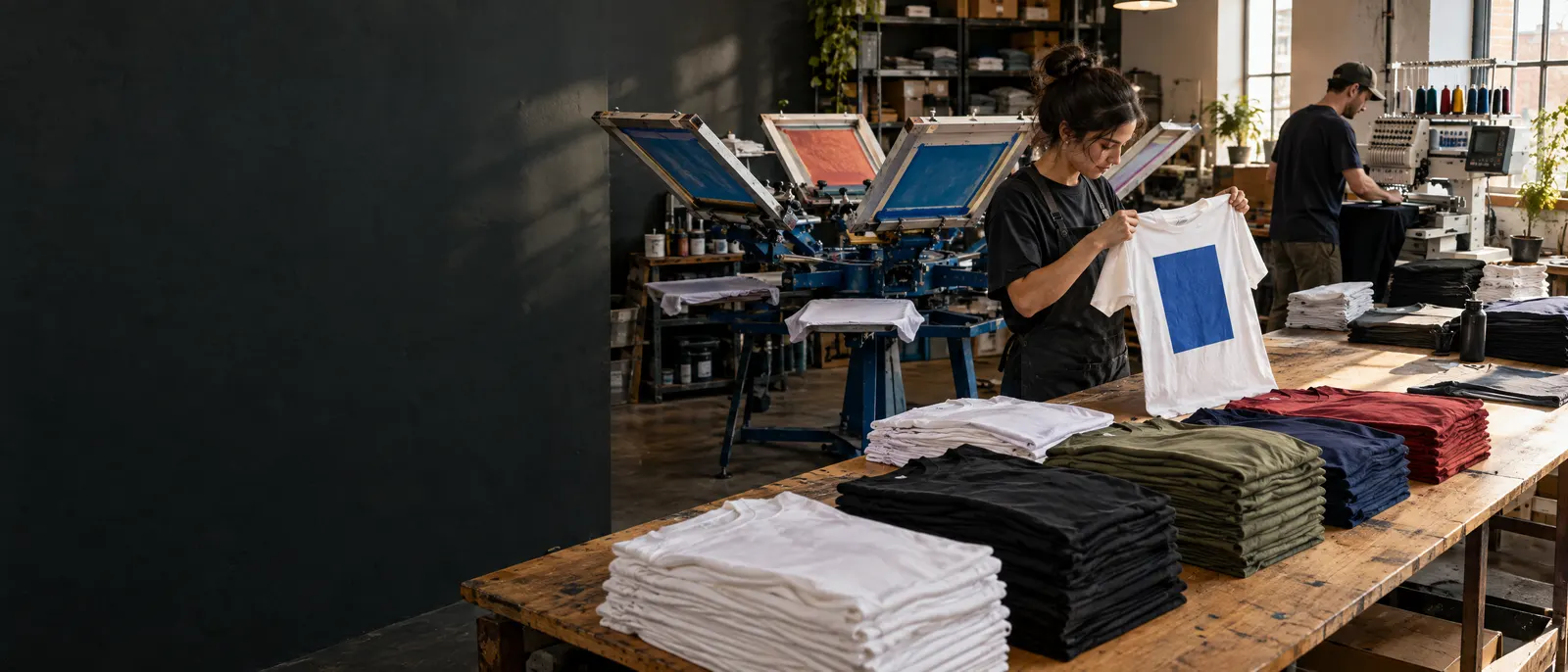
We do all five methods in-house, so the fabric and the method can be chosen together.
How to choose
- Everyday company tees and merch: combed cotton, around 240 GSM. Comfortable, durable, takes every print method.
- Sport, runs and outdoor events in heat: polyester. Light, quick drying, and sublimated designs cannot crack. See custom jerseys.
- Casual tees with a vintage look: a blend, if the print method suits it.
- Premium or oversized merch: a heavier cotton.
If you are not sure, feel it first. Visit one of our Experience Centres, or order a single piece: one piece is a real order on most of the range in a stock colour. A single printed tee online is ₹499 including GST and delivery.
Ask us about fabric for your order and we will come back with a mockup before anything is made.
Quick answers
Is cotton or polyester better for a t-shirt?
It depends on the use. Cotton is soft, breathes and suits all-day wear in a warm climate. Polyester is light, dries quickly and moves sweat away, so it suits sport. Polyester is also the only fabric that takes sublimation.
What does combed cotton mean?
Combed cotton has had its short fibres brushed out before the yarn is spun. The cloth is smoother, pills less, is stronger and gives ink a more even surface. Carded cotton skips this step and is rougher. Our standard tee is 240 GSM combed cotton.
What fabric weight is best for a custom t-shirt?
For everyday company tees, around 240 GSM is a safe choice: dense enough to hold its shape and not go see-through, without being hot. Under about 160 GSM is light and often see-through in pale colours.