
Three methods can put a design on a jersey. They are not interchangeable, and the right one depends on the fabric, the design and the count.
Sublimation: the jersey method
Sublimation prints the design onto paper with special dye, then heat turns the dye into a gas that bonds with the polyester fibres. The design becomes part of the fabric.
- Any design, edge to edge. Stripes, gradients, photographs, patterns over the seams.
- Nothing to crack or peel. There is no layer on top, so the jersey feels the same where it is printed as where it is not.
- It breathes. The fabric is not sealed by ink.
- Polyester only, light base only. It needs a polyester fabric and prints onto a white or light base, which is why sublimated jerseys are made from white fabric and printed all over.
For a team set with a pattern, colours across the body and names and numbers, sublimation is the default. See sublimation jerseys.
DTF: for small runs and dark garments
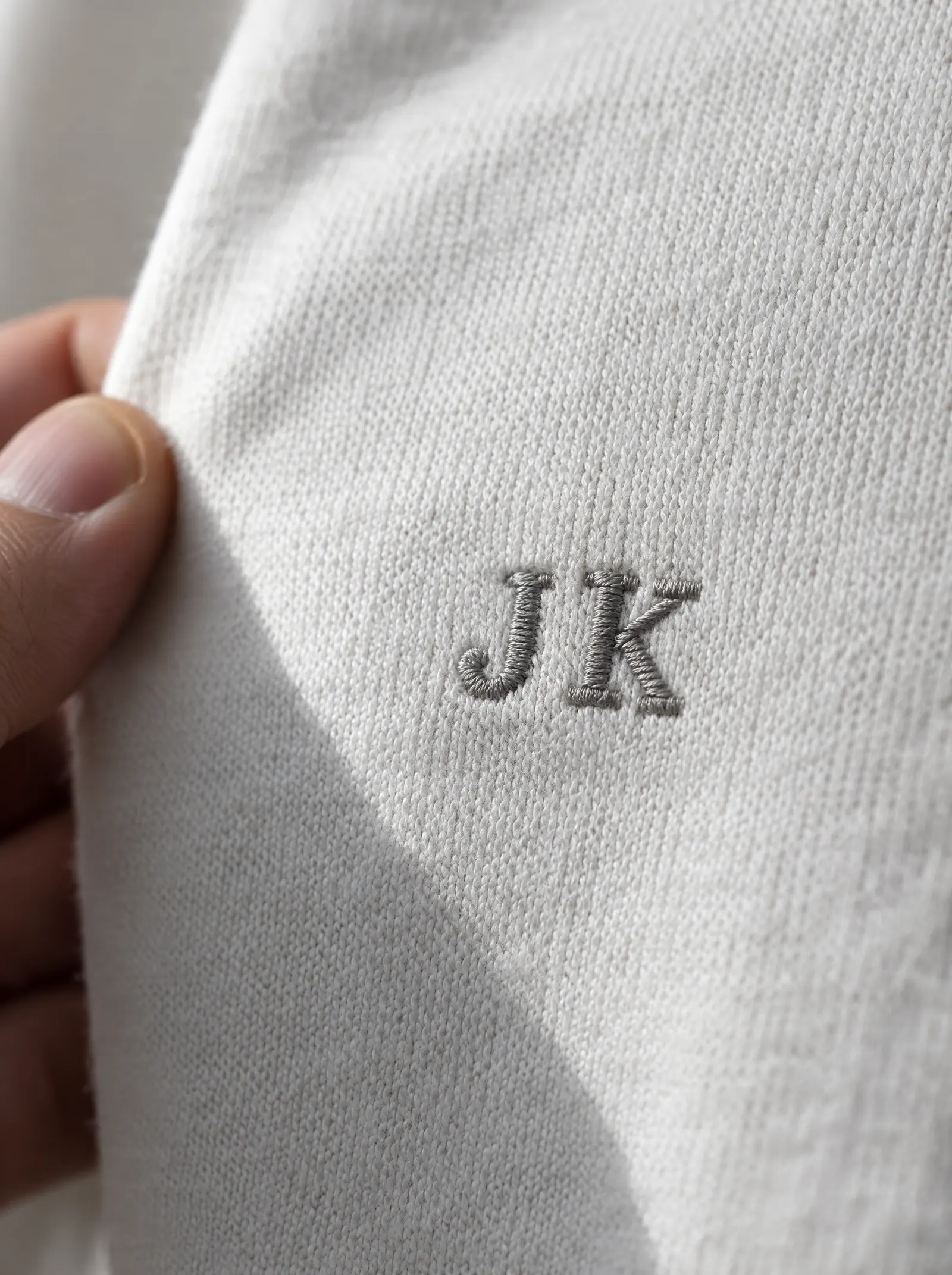
DTF prints the design onto a film, which is pressed onto the garment with a powder adhesive. It works on almost any fabric and colour, including cotton. On a jersey it is useful for adding a name, a number or a sponsor to a ready jersey, or for a few pieces on a dark polyester base. It sits on top of the fabric, so a large DTF print feels like a patch and does not breathe. See DTF printing.
Screen printing: for big plain runs
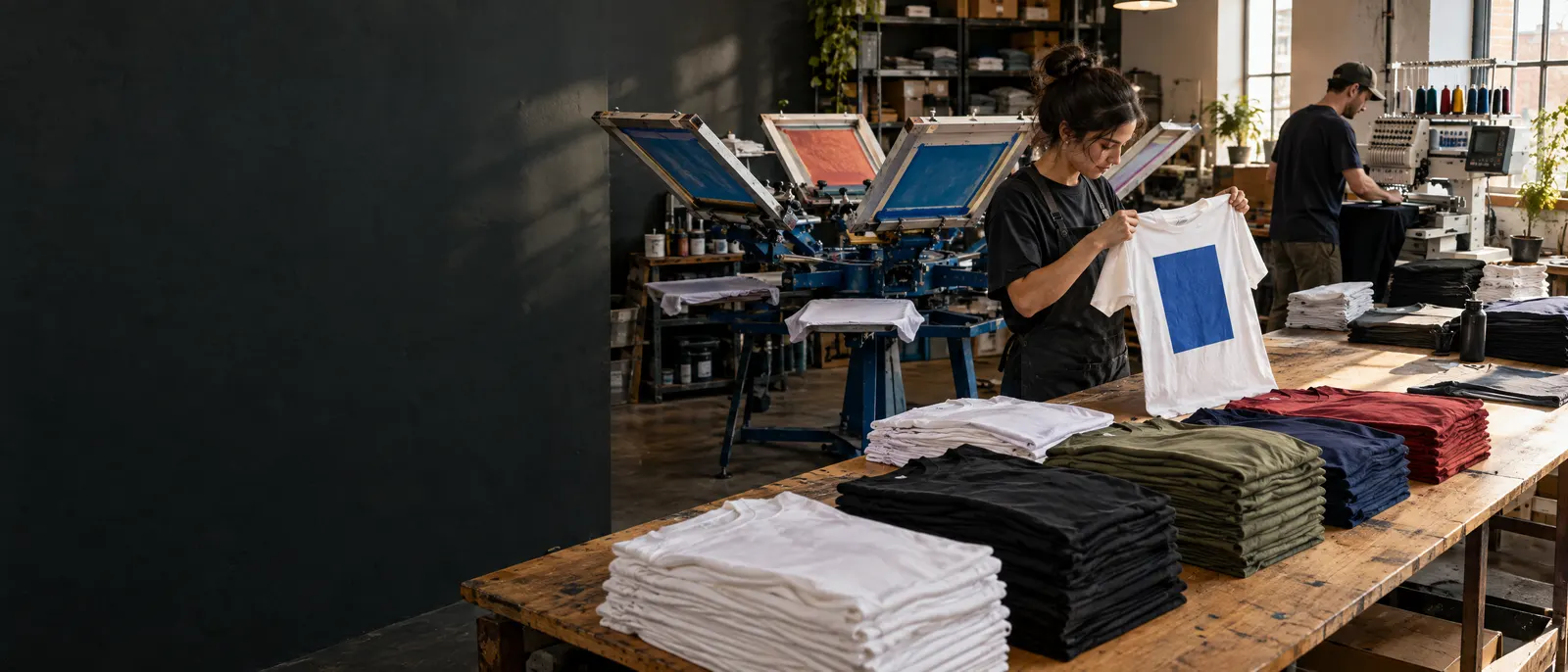
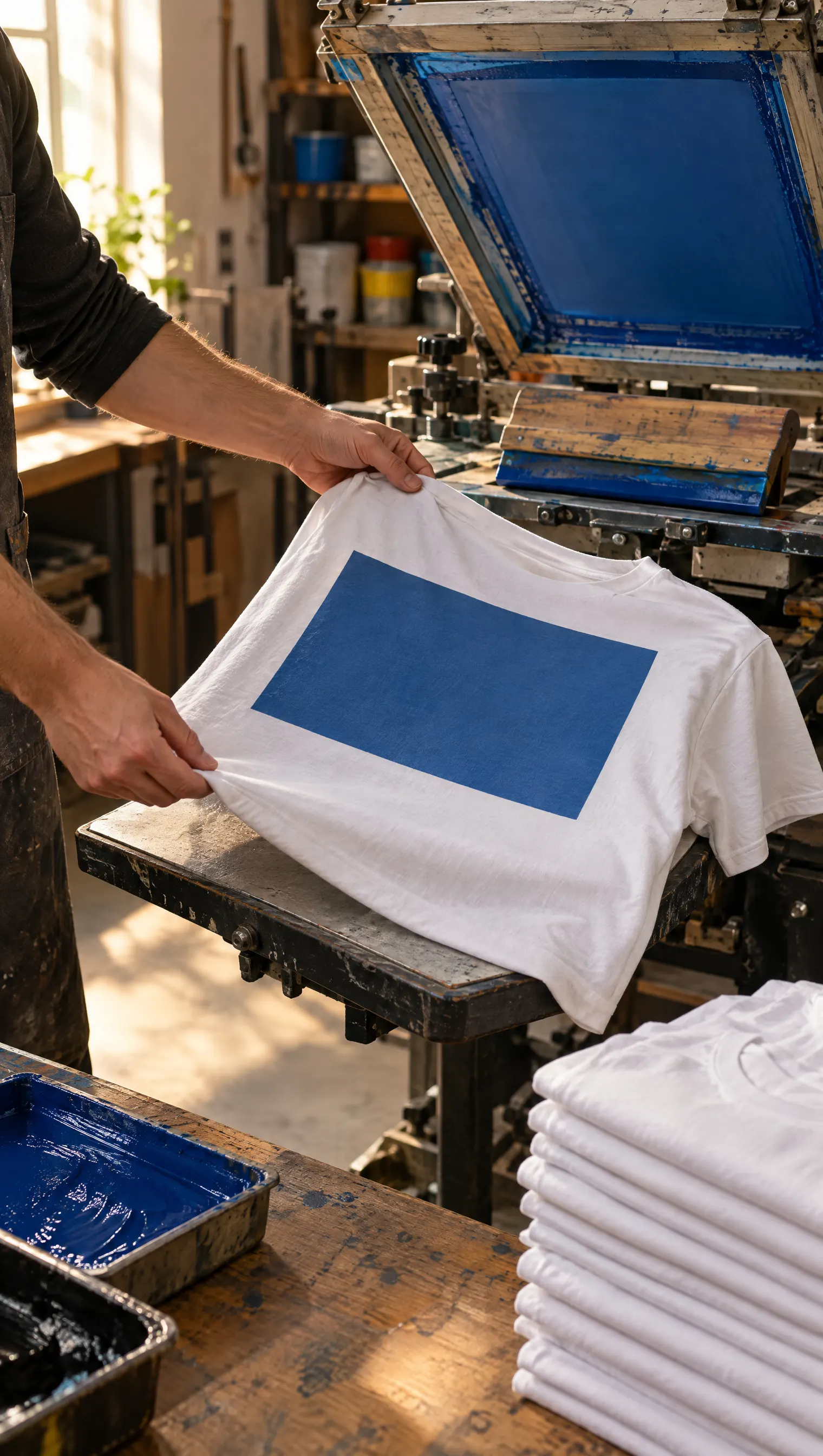
Screen printing pushes ink through a mesh screen, one screen per colour. It is economical for a large run of a simple one or two colour logo, for example event tees, and less suited to all-over designs or a different name on every shirt. See screen printing.
A quick rule
- A team jersey with colours, a pattern, names and numbers: sublimation.
- A name or number added to a jersey you already have: DTF.
- Two hundred plain tees with one logo for the supporters: screen printing.
Not sure? Send the design and we will tell you which method we would use, and why. Start on custom jerseys.