
Most custom apparel orders that go wrong were not unlucky. The warning signs were there before the order was placed. Here is what to check before you choose a supplier for t-shirts, jerseys, uniforms or merch, whoever you buy from.
1. Who actually makes it?
There are two kinds of supplier.
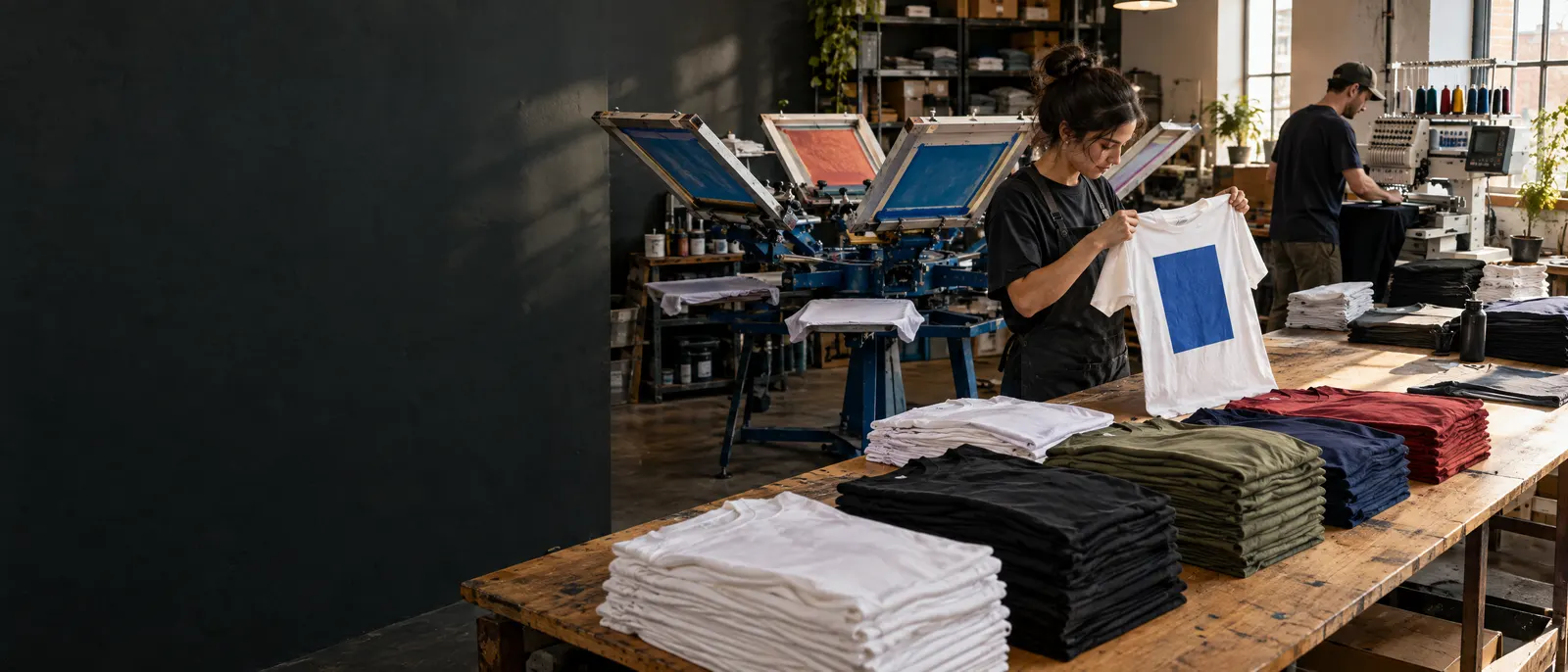
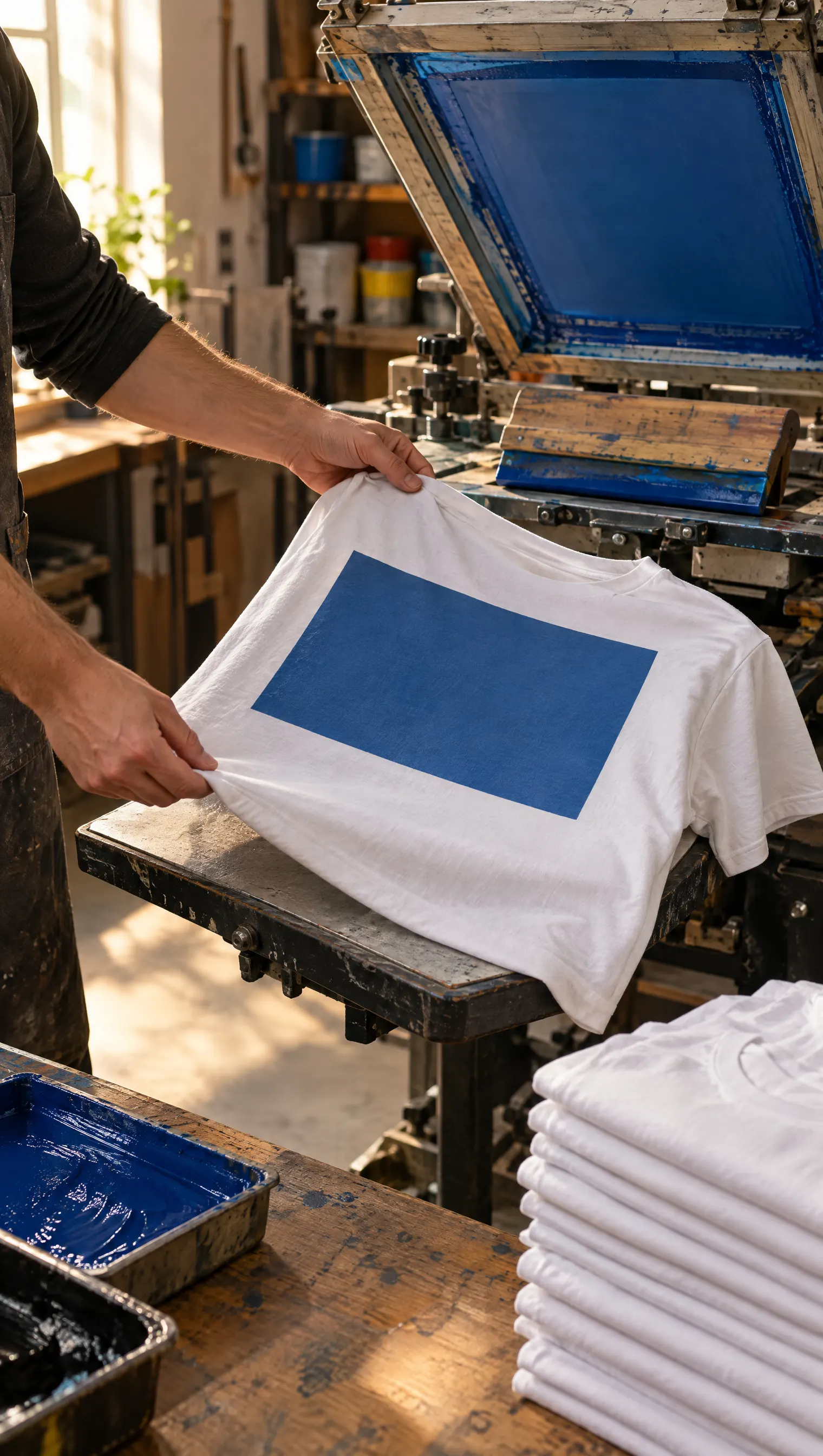
- A maker has its own factory. It cuts, sews and decorates the garments itself, or at least decorates them itself on stock garments.
- A broker takes your order and passes it to someone else's factory. Some brokers are good at this and add real value in design and service.
Neither is automatically wrong, but you should know which you are dealing with. With a maker, the person you talk to can walk onto the floor and check your order. With a broker, problems pass through another company, and so does the answer.
Ask directly: "Where is this made, and who decorates it?" A clear answer is a good sign. A vague one is worth noting.
2. Which decoration methods do they do?
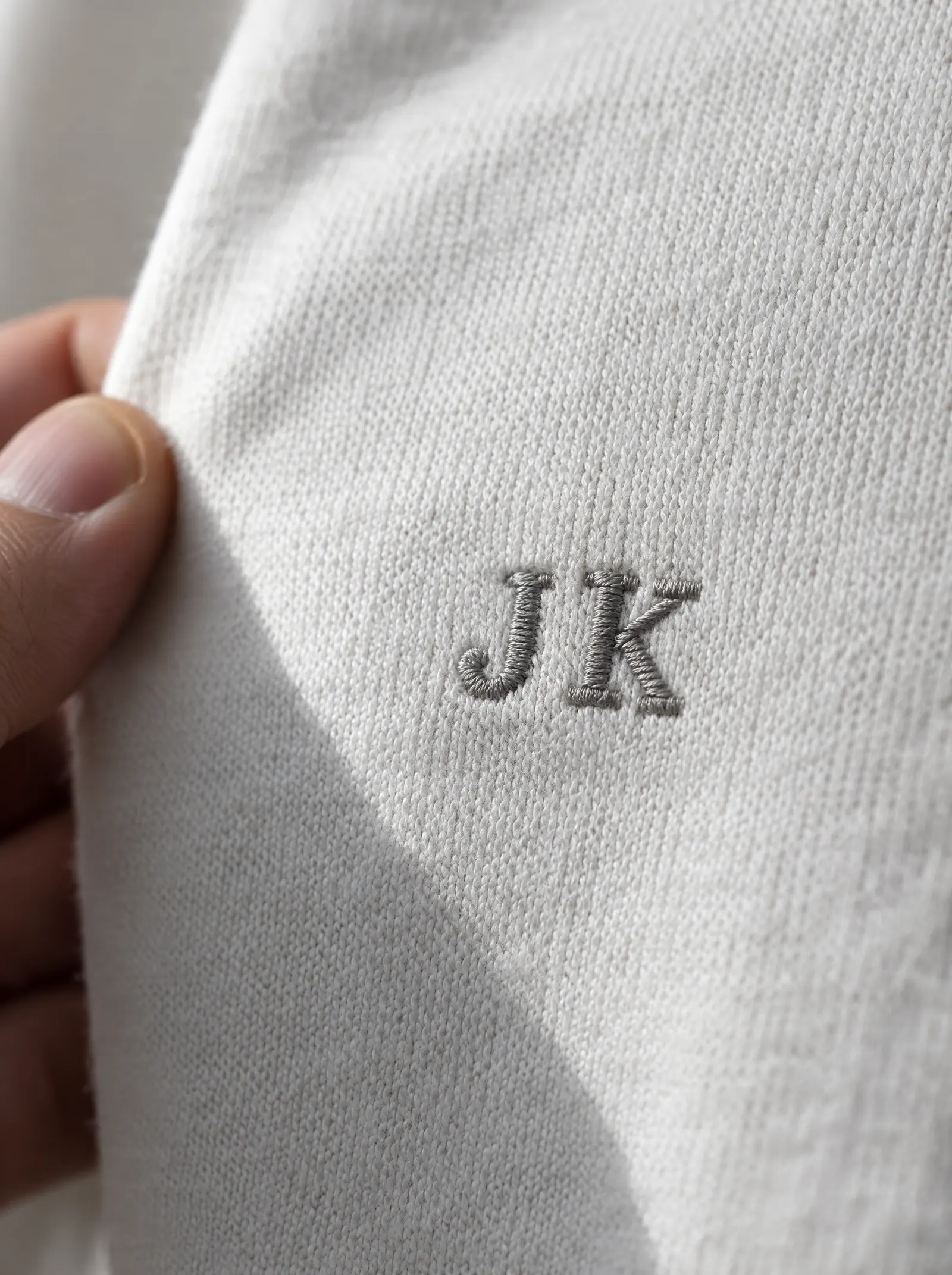
Screen printing, DTF, DTG, sublimation and embroidery each suit different jobs. See embroidery or printing and DTF or screen printing.
A supplier that only does one method will tend to recommend it for everything. A supplier that does all of them can recommend the one that suits your design and quantity. Ask why they recommend a method, and listen for a reason that is about your job.
3. Will you see a mockup before anything is made?
This is the most important check of all.
- A mockup shows your design on the garment, in position, at size, in the right colours. For team orders it should show every name and number.
- Approval should be a clear step: nothing is made until you say yes.
- Changes to the mockup should be easy. Ask whether they cost anything.
A supplier that wants to go straight from your logo to production, without a mockup, is asking you to trust that they read your mind. Read every word on the mockup, especially names.
4. What is the minimum order?
Minimums vary widely, and they tell you something about how a supplier works.
- Low minimums on stock garments are common for digital methods like DTF, DTG and sublimation.
- Higher minimums are normal for screen printing, which has setup per colour, and for garments made in a custom fabric colour. See colour minimums.
A minimum is not good or bad by itself. What matters is that it is stated clearly up front, and that you can order a sample before a large run.
5. Is the price clear?
Ask for a written quote and check what it covers:
- the garment,
- each print or embroidery position,
- names and numbers, if any,
- GST,
- delivery.
Compare like for like. A low price that leaves out GST, delivery or the second print position is not lower. See what custom t-shirt printing costs.
6. Do you get a GST invoice?
For a company, college or club, a proper GST invoice matters. It lets a business claim input tax credit, and it is often required by an accounts office before payment. Ask before you order, and give your exact company name, address and GSTIN at the start.
A supplier that is reluctant to issue a GST invoice is telling you something.
7. Is the date in writing?
"It will be ready soon" is not a date. Ask for:
- a dispatch date, in writing,
- counted from a clear point, usually mockup approval,
- and what happens if it slips.
Then work back from your event and leave a margin for delivery.
8. What happens if it is wrong?
Mistakes happen everywhere: a misspelt name, the wrong colour, a print in the wrong place. What matters is what the supplier does next.
Ask before you order:
- If the supplier prints something different from the approved mockup, do they reprint it free?
- How quickly?
- Who pays for shipping the replacement?
A clear, written reprint policy is one of the best signs of a supplier who takes quality seriously.
9. Is there a quality system?
A formal quality system, such as ISO 9001, means the supplier has written processes for checking work and fixing problems. It is not a guarantee of perfect work, but it shows that quality is managed rather than hoped for.
10. Can you see and touch the product?
Photos flatter. Fabric weight, stitching and print feel only show in the hand.
- Order one sample before a large run if the supplier allows it.
- Visit a shop or showroom if there is one near you.
- Ask for fabric details, such as GSM. See what GSM means.
Red flags
- No mockup, or a mockup only after payment.
- No written price, or a price that changes after the order.
- No GST invoice.
- No written date.
- No answer to "what if it is wrong?"
- Pressure to decide today.
See also mistakes to avoid when ordering custom t-shirts.
How we answer these questions
We make in our own factory in India, with all five decoration methods in-house. You see a mockup before anything is made, and mockup changes are free. The Lab minimum is one piece in a stock colour. Every order comes with a GST invoice. Dispatch is 4 to 30 days from approval, depending on the order, with the date in writing with the mockup. If we print it wrong, we reprint it free. We work to an ISO 9001 quality system.
You can see and touch our work in our three Experience Centres in Bengaluru, at Koramangala, Kadubeesanahalli and Electronic City, and in our Experience Centre in Chennai: please call before visiting. See our Experience Centres.
Send your logo and what you need and a mockup comes back before anything is made.
Quick answers
What should I check before choosing a custom t-shirt supplier?
Who makes it, whether you see a mockup before production, the minimum order, a written price, a GST invoice, a written dispatch date, and what happens if the order is printed wrong.
Is it better to buy from a factory or a broker?
Neither is automatically better, but you should know which you are dealing with. A maker can check your order on its own floor; a broker passes problems and answers through another company.
Why does a mockup matter for custom apparel?
It shows your design on the garment, at size and in position, before anything is made. It is the cheapest point to catch a wrong colour or a misspelt name.
Should a custom apparel supplier give a GST invoice?
Yes. Companies, colleges and clubs usually need a GST invoice for their accounts, and businesses can claim input tax credit on it. Ask before you order and give your GSTIN at the start.