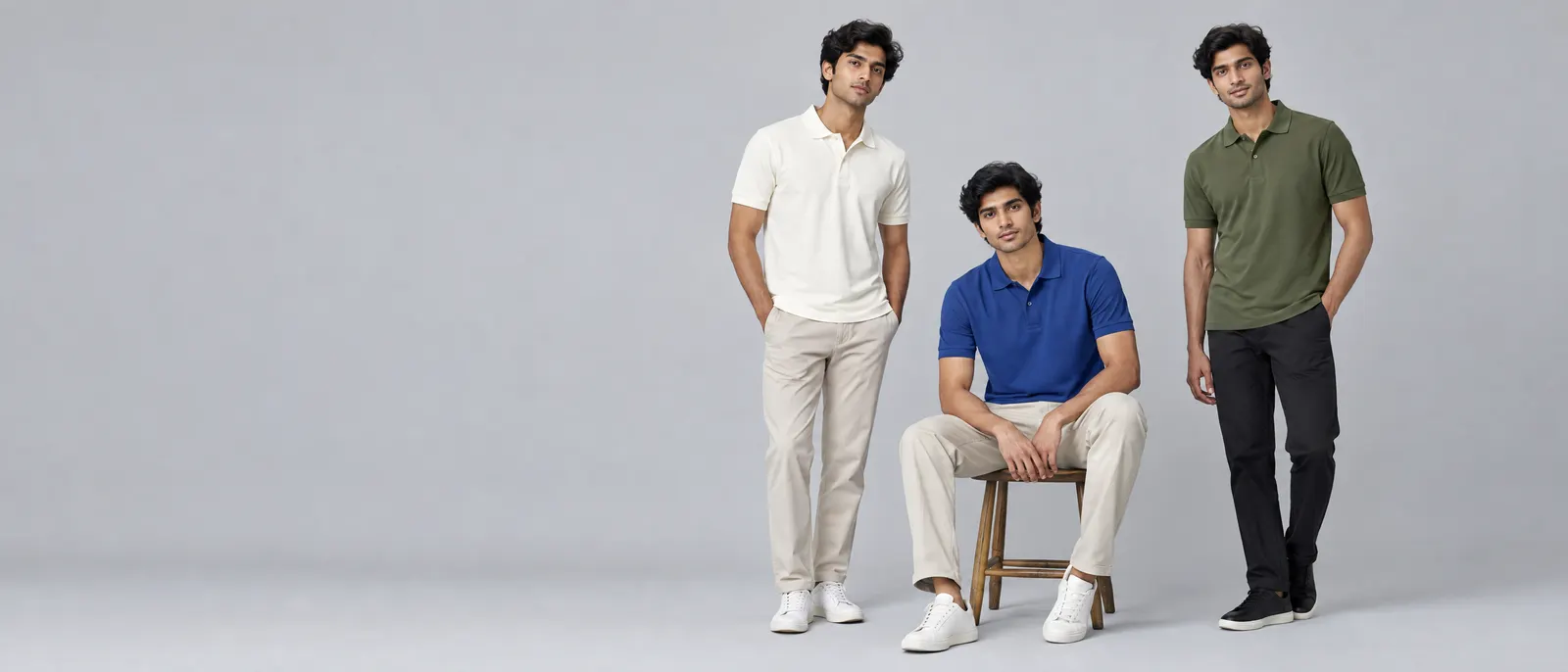
A polo and a t-shirt can both carry your logo, but they say different things. One looks like a uniform, the other like merch. The right one depends on who wears it, where, and how often.
What each one is
The t-shirt
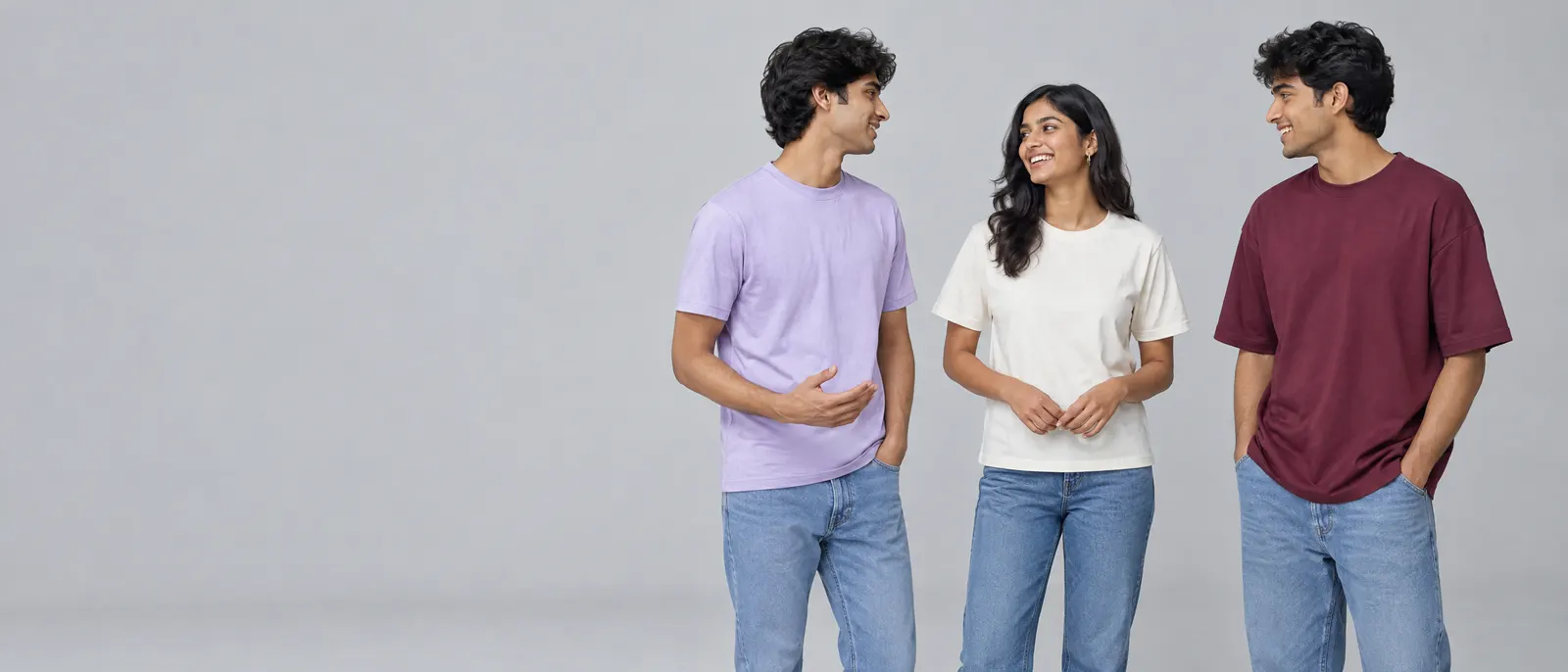
A round-neck, short-sleeve top in smooth jersey knit. It is casual, comfortable and easy to wear on its own or under a jacket. The smooth surface takes every decoration method, so it can carry a large back print, a full-colour graphic or a small chest logo. Our standard tee is 240 GSM combed cotton, in nine sizes, XS to 5XL.
The polo
A collared top with a short buttoned placket, usually in pique, a textured knit. The collar makes it look smarter. It reads as a uniform rather than as a fan shirt, which is why it is common for client-facing staff. The textured surface means polos are usually embroidered, not printed.
Which one, by situation
Office and client-facing teams
Polo. A collar looks professional in a meeting and in a photograph, and an embroidered chest logo looks considered rather than promotional. Sales teams, front desks, account managers and anyone who meets customers usually suit a polo.
A t-shirt works for an office that is casual already, or for a Friday shirt or an offsite, where the point is belonging rather than formality.
Events, launches and fests
T-shirt. Events need visibility: a big print on the back, the event name, a date, a list of sponsors. That is print territory, and a t-shirt's smooth face takes it best. T-shirts also suit large groups with a wide range of body types, and people wear them again afterwards. See custom t-shirts for events.
The exception: event staff, volunteers or crew who need to be found in a crowd and look in charge. A polo in a strong colour separates them from attendees.
Field staff, delivery and on-site teams
It depends on the work. A polo looks more official at a customer's door, and the collar gives a little sun protection on the neck. A t-shirt is cooler and easier to move in for physical work. For hot, sweaty outdoor work, a polyester performance fabric is worth considering in either shape, because it dries faster than cotton.
Think about washing too. Field uniforms are washed often and hard. Embroidery outlasts every print, so a small embroidered logo on a polo stays sharp longer than a large printed one.
Mixed teams
Many companies order both: polos for people who meet customers, t-shirts for everyone else and for events. Using the same logo and garment colour across both keeps the look consistent.
How the logo goes on
On a polo
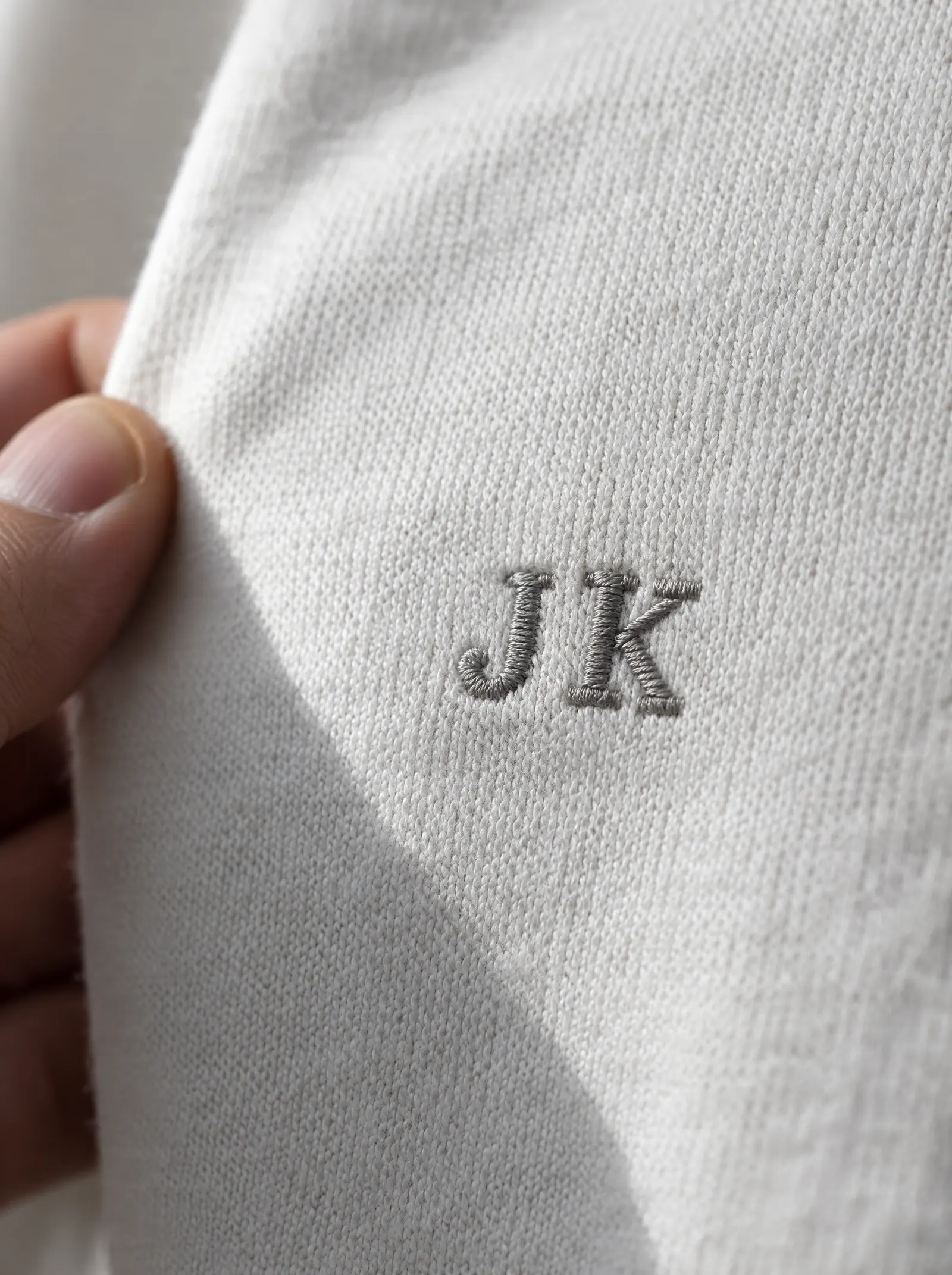
Embroidery, almost every time. Pique is uneven, so print sits on the bumps and shows the texture. Thread sits on top of it and looks crisp. The usual position is the left chest, with an optional small mark on the sleeve or back neck. Keep text in an embroidered logo at least 5 to 6 mm tall, or it closes up. See embroidered polo shirts and custom embroidery.
On a t-shirt
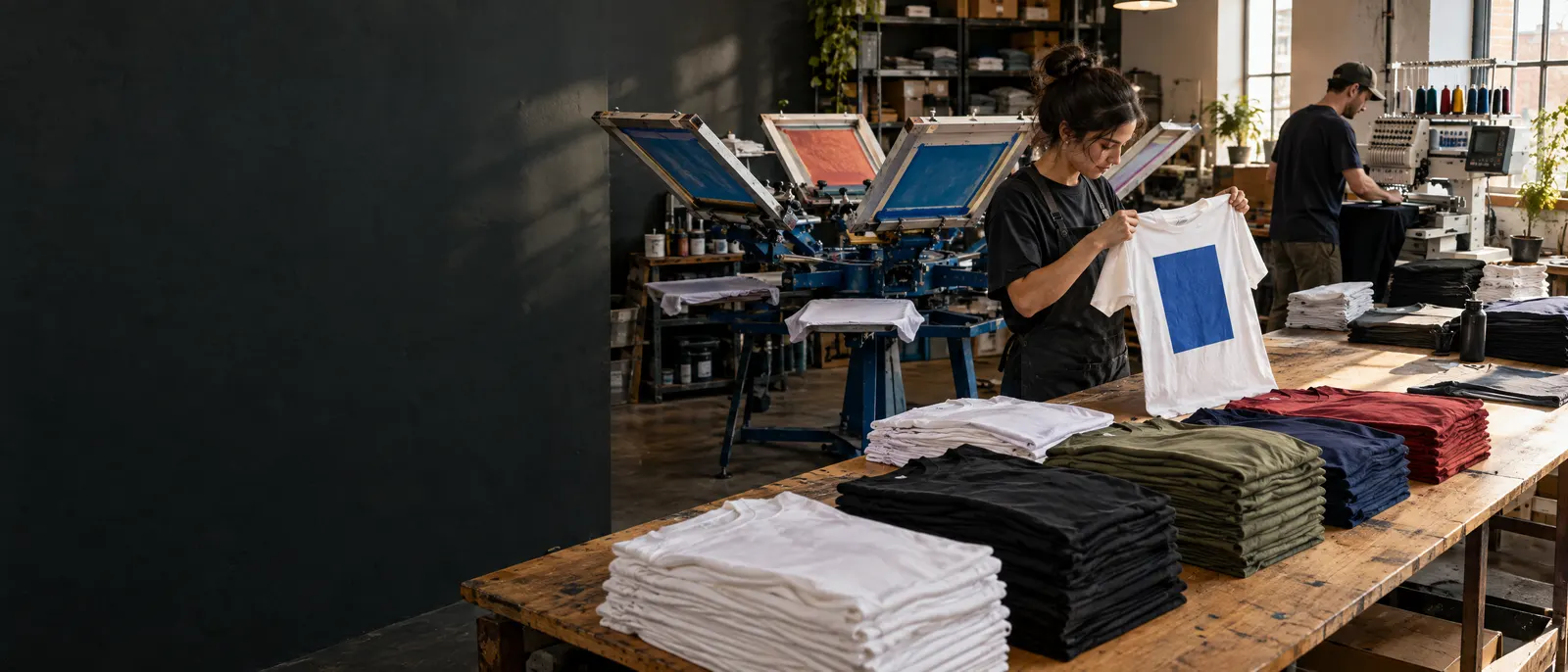
Any method. Screen printing for one or two flat colours on a larger run. DTF or DTG for full colour and small runs. Embroidery for a small chest logo that should look premium. A t-shirt can carry a chest logo and a large back print together. Embroidery or print explains the choice.
We do embroidery, screen printing, DTF, DTG and sublimation in-house, so the logo goes on in our own factory either way.
Fit and sizing
Polos and t-shirts fit differently. A polo is cut closer to a shirt, with a collar that has to sit right. If people have a size they trust in one, they may need a different size in the other. Collect sizes for the garment you are actually ordering, from each person, rather than guessing a spread.
Cost and quantity
A polo uses more cloth than a t-shirt and has a collar and placket to sew, so it usually costs more per piece. Embroidery is generally priced by the size and detail of the logo. Larger orders are priced per piece on a quote.
Either garment starts from one piece in a stock colour. A body dyed in an extended colour or your exact Pantone needs one roll of cloth, which works out at about 50 polos or 75 tees. See core, extended and Pantone colours.
The short answer
- Meets customers, wears it all day: polo, embroidered.
- Event, launch, giveaway: t-shirt, printed.
- Physical work outdoors: whichever is cooler for the job, with a small, durable logo.
- Both kinds of people: order both in the same colour and logo.
For more on picking the polo itself, read choosing a company polo. Start with custom polo shirts or corporate t-shirts, or send us your logo and we will come back with a mockup for each.
Quick answers
Is a polo or a t-shirt better for office staff?
A polo, for anyone who meets customers. The collar looks professional in meetings and photographs, and an embroidered chest logo looks considered rather than promotional. A t-shirt suits a casual office, a Friday shirt or an offsite.
Should a logo on a polo be printed or embroidered?
Embroidered, almost every time. A polo is pique, a textured knit, so print sits on the bumps and shows the texture. Thread sits on top and looks crisp, and embroidery outlasts every print.
What is better for event staff, polos or t-shirts?
For attendees and large groups, t-shirts: they take a big back print and suit everyone. For crew and volunteers who need to look in charge and be found, a polo in a strong colour separates them from the crowd.