
Sublimation is the method behind almost every all-over printed sports jersey. It is also the least understood. Here is what happens to the dye, and why it matters to anyone buying a team set.
The short version
The design is printed onto special paper with sublimation ink. The paper is laid on polyester fabric and pressed with heat. The heat turns the ink into a gas, the gas enters the polyester fibres, and when the fabric cools the colour is locked inside them. Nothing sits on top of the fabric. The design is part of the cloth.
Step by step
1. Print the transfer
The artwork is printed in reverse onto transfer paper with sublimation inks. On paper the colours look dull and flat. That is normal: they only come alive when heated.
2. Press with heat
The paper goes face down on the fabric in a heat press, usually around 190 to 200 degrees Celsius, under pressure, for under a minute. Large presses and roller machines do the same thing for whole rolls of fabric.
3. The dye becomes a gas
This is the part that gives the method its name. Sublimation means a solid turning straight into a gas without becoming a liquid first. At press temperature the dye on the paper does exactly that.
4. The fibres open and close
Heat also opens up the polyester fibres. The gas moves into them. When the press opens and the fabric cools, the fibres close again with the dye trapped inside.
5. Cut and sew
For jerseys, the fabric is usually printed flat in panels, then cut and sewn. That is how a pattern runs over the shoulders, under the arms and down the sides without a break.
Why it cannot crack or peel
Most printing methods add a layer to the fabric. Screen printing lays ink on top. DTF bonds a printed film to the surface. Those layers can crack when the fabric stretches, and can peel after many hot washes.
Sublimation adds no layer. The colour is inside the fibre, so there is nothing to crack, lift or peel off. Three things follow from that:
- It feels like nothing. Run your hand over a sublimated jersey and you feel fabric, not print. A full-colour design weighs the same as a plain shirt.
- It breathes. No film blocks the fabric, so a jersey printed edge to edge breathes as well as a plain one. That matters in a long innings in April.
- It stretches. The print moves with the fabric, so a fitted jersey can stretch across the shoulders without the design breaking.
Why it only works on polyester
Sublimation dye bonds with polyester, a synthetic fibre that opens under heat. Cotton is a natural fibre and does not take the dye in the same way. Press a sublimation transfer onto cotton and most of the colour washes out within a few washes.
Blends sit in between. On a 50/50 polyester and cotton shirt, only the polyester half takes the colour, so the result looks faded or vintage. On a high polyester blend it looks close to the real thing. For a match jersey, full polyester is the standard.
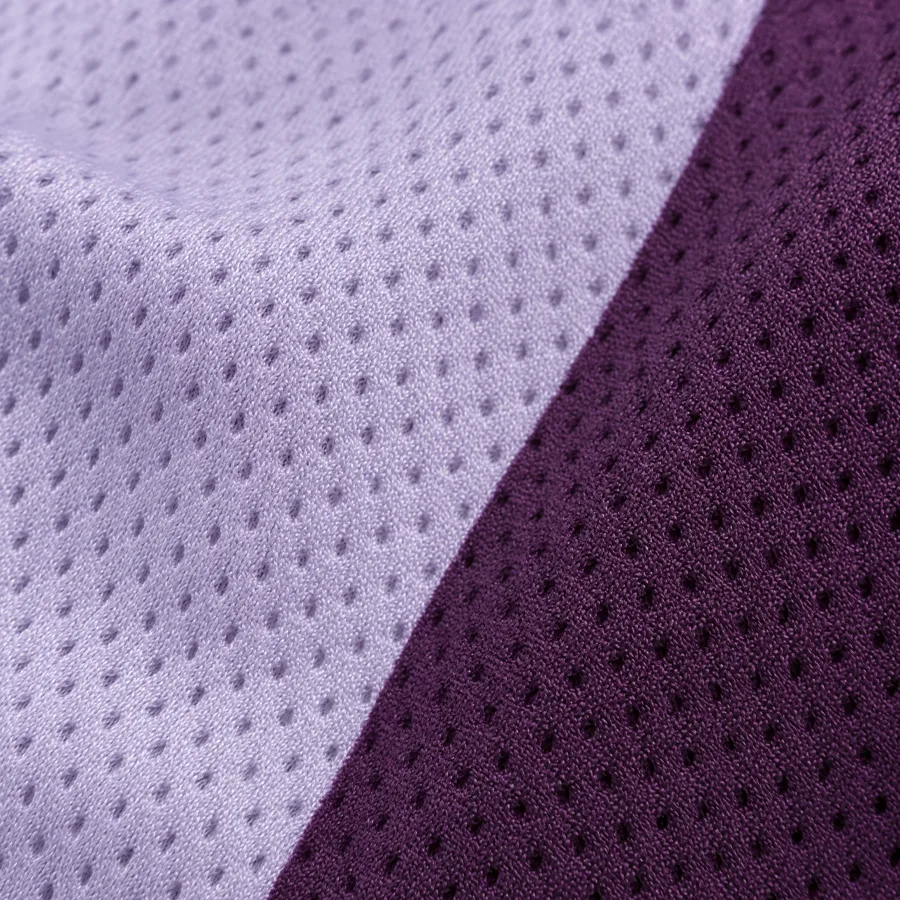
Read which fabric is best for a sports jersey for mesh against smooth knit.
Why it needs a white base
Sublimation dye is transparent, like a watercolour. It adds colour to what is already there; it cannot cover it. Printed on white fabric, the colours come out exactly as designed. On a coloured fabric they mix with the base colour. On black they barely show.
There is also no white ink in sublimation. Anything white in the design is simply the fabric showing through. That is why sublimated jerseys start as white polyester and are printed all over, including the areas that look like a solid colour.
What sublimation is good at
- All-over designs. Gradients, stripes, camouflage, photographs, a city skyline across the back.
- Any number of colours. A design with twenty colours costs no more to print than one with two, because the printer prints the whole panel either way.
- Every jersey different. Each player's name and number is just part of their own print file. There is no extra setup for the eleventh jersey.
- Small runs. With no screens to make, one jersey is as practical as a hundred.
What it is not for
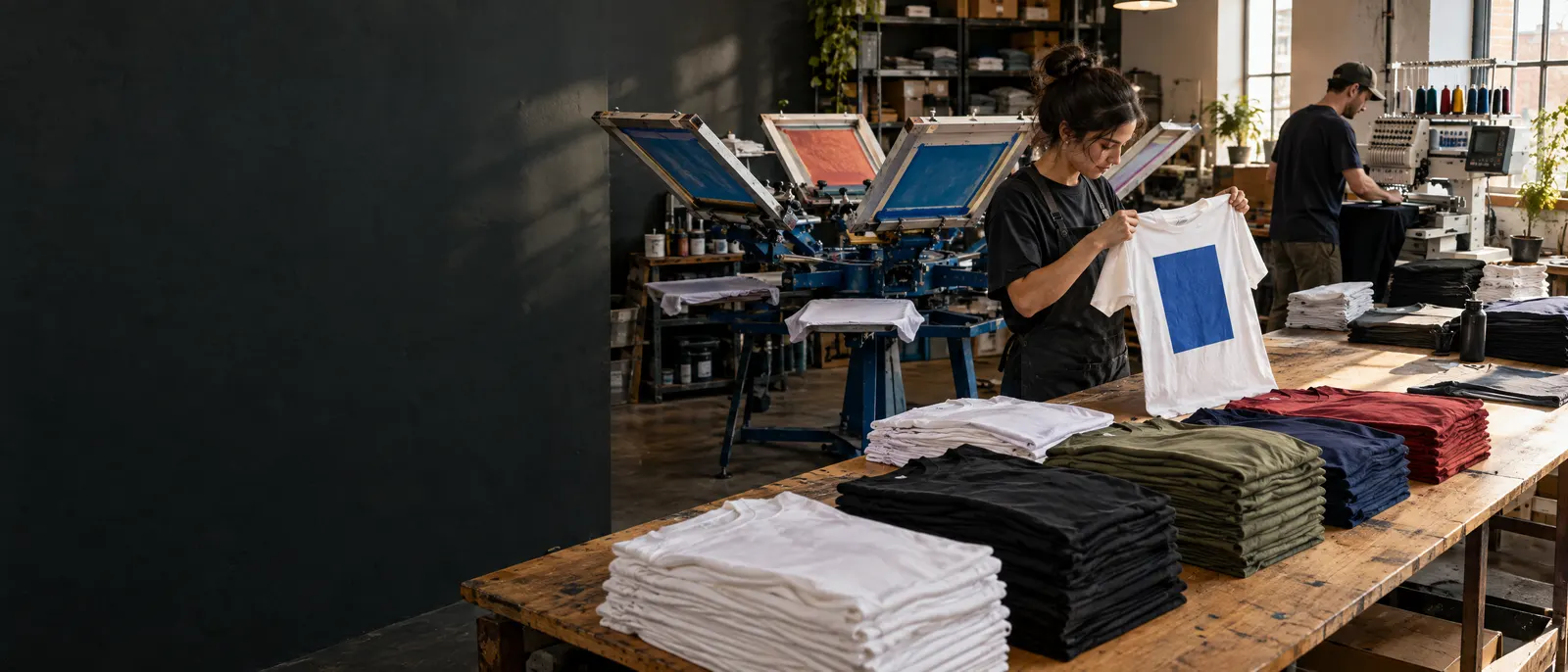
- Cotton t-shirts. Use screen printing, DTF or DTG instead. See DTF or screen printing.
- Dark fabrics with a print on top. A navy jersey is made by printing navy onto white, not by printing onto navy fabric.
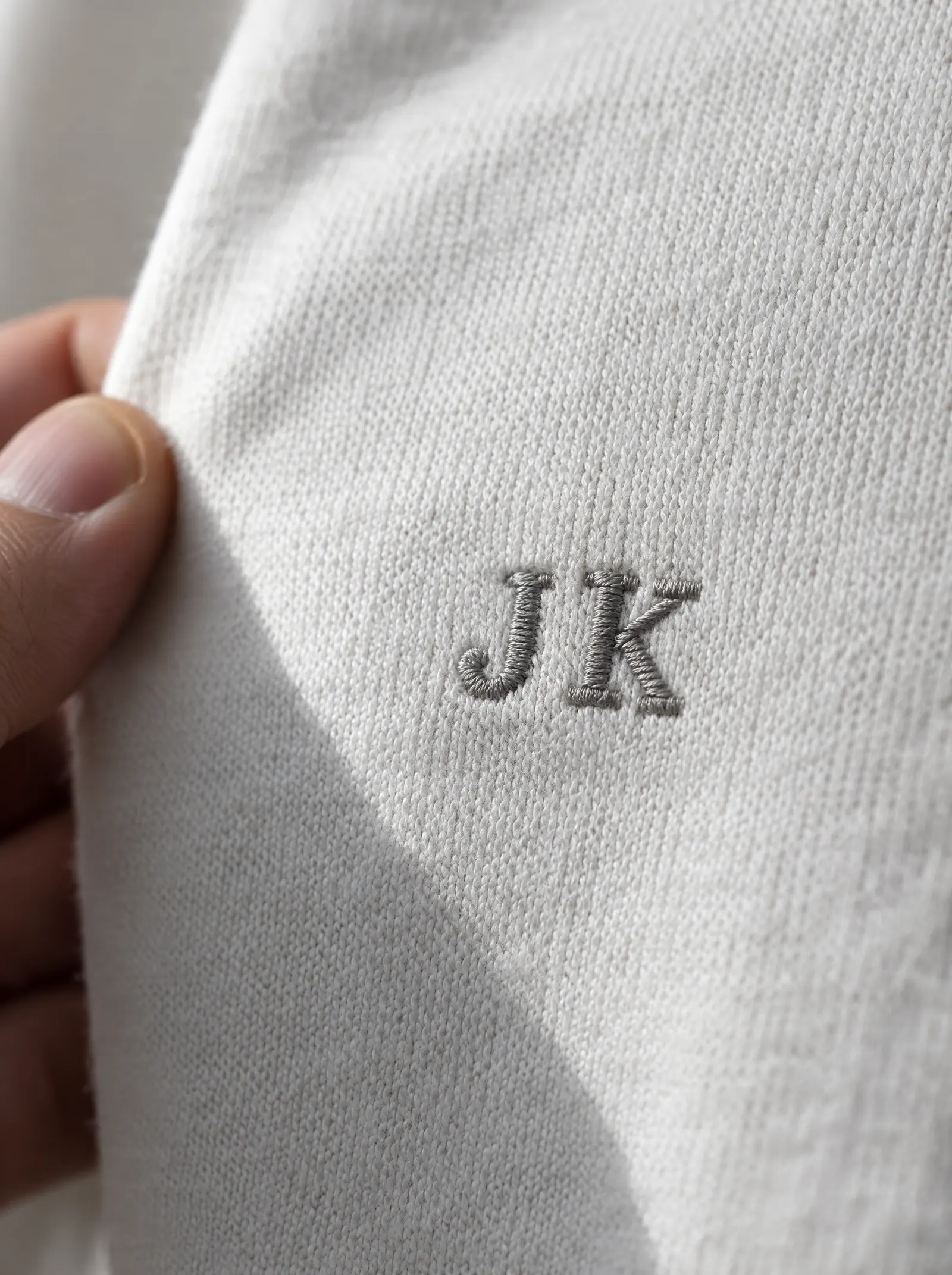
- A raised, textured logo. Sublimation is flat by nature. If you want a raised crest, embroidery is the answer, and it can be added to a sublimated jersey.
Will it fade?
Sublimated colour does not wash out like a cheap print, but every fabric fades in strong sun and high heat over time. Wash cold, dry in the shade and keep the iron off the print. See how to wash sports jerseys.
How we use it
Our jerseys are sublimated in our own factory in India, in any colours you choose, with every player's own name and number. You approve every name on the mockup before anything is printed, mockup changes are free, and if we print it wrong we reprint it free. Jerseys are ₹599 half sleeve and ₹699 full sleeve, from one jersey.
See more on sublimation printing and sublimation jerseys, or send the crest and the roster.
Quick answers
Does sublimation printing crack or peel?
No. The dye enters the polyester fibres instead of sitting on top, so there is no layer to crack or peel. Heat and strong sun can fade any fabric over many years, but the print itself does not break.
Can you do sublimation printing on cotton?
Not well. Sublimation dye bonds with polyester, not cotton, so on a cotton shirt most of the colour washes out. For cotton t-shirts, screen printing, DTF or DTG are the right methods.
Can sublimation print on a black or dark jersey?
Not on top of dark fabric, because sublimation dye is transparent and there is no white ink. A dark jersey is made by printing the dark colour all over white polyester, which gives the same look with the design locked in.
Is sublimation good for small orders?
Yes. There are no screens or setup per colour, so a single jersey costs the same to print as each jersey in a large set. That is why one jersey can be a real order.