
The choice matters more for uniforms than for any other order, because a uniform is reordered every time someone joins. This guide is part of our custom uniforms series.
The three routes side by side
| Route | Colours | Minimum | Dispatch | Topping up later |
|---|---|---|---|---|
| Core | 15 colours kept in cloth | One piece | From 4 days | Any quantity, any time |
| Extended | 12 more, dyed to order | 75 pieces | 12 days | Same minimum each dye lot |
| Your Pantone | Any shade, matched | 300 pieces | 30 days | Same minimum each dye lot |
The dyed minimums are set per garment by how much cloth it uses, so your quote states the exact number. Dispatch is counted from approving the mockup, and the date is written on it.
Which of your colours is closest to ours?
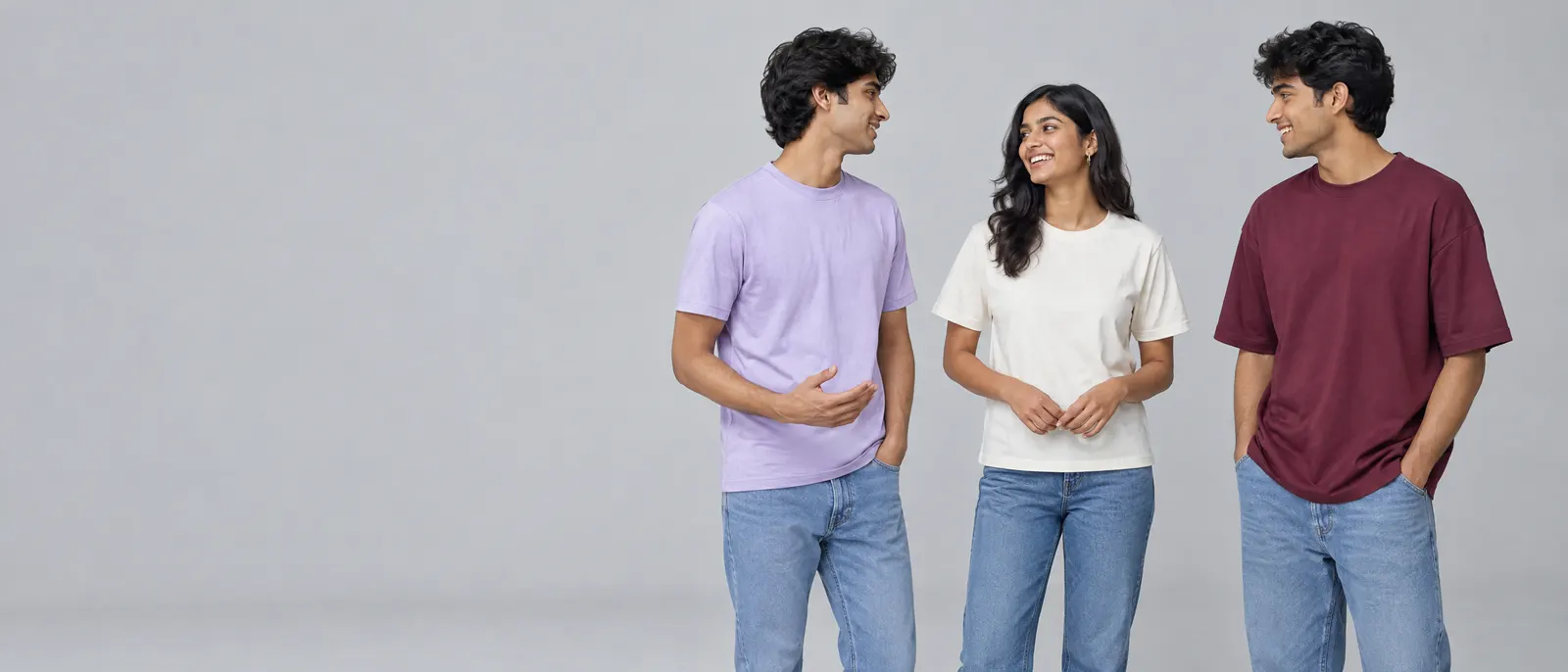
Start with the core list, because it is the only one with no minimum: White, Off White, Light Beige, Grey Melange, Charcoal Melange, Black, Navy, Blue, Royal Blue, Lavender, Lilac, Red, Maroon, Bottle Green and Pista Green.
By colour family, this is where most brands land:
- Blue brands: Navy, Blue or Royal Blue in the core range; Steel Blue and Sky Blue are extended.
- Green brands: Bottle Green or Pista Green in core; Ice Green and Pine Green are extended.
- Red brands: Red or Maroon in core; Arrow Red and Wine are extended.
- Purple brands: Lavender or Lilac in core.
- Neutral brands: Black, the two melanges, White, Off White and Light Beige in core; Aluminium, Charcoal and Beige are extended.
- Yellow and orange brands: there is no core colour. Yellow and Woody Orange are extended, from 75 pieces.
If your brand is yellow or orange and your team is small, put the colour in the details and keep the body in a neutral core colour.
Where should the brand colour go?
Your colour does not have to be the whole garment to make the uniform yours. In rough order of how much colour each shows:
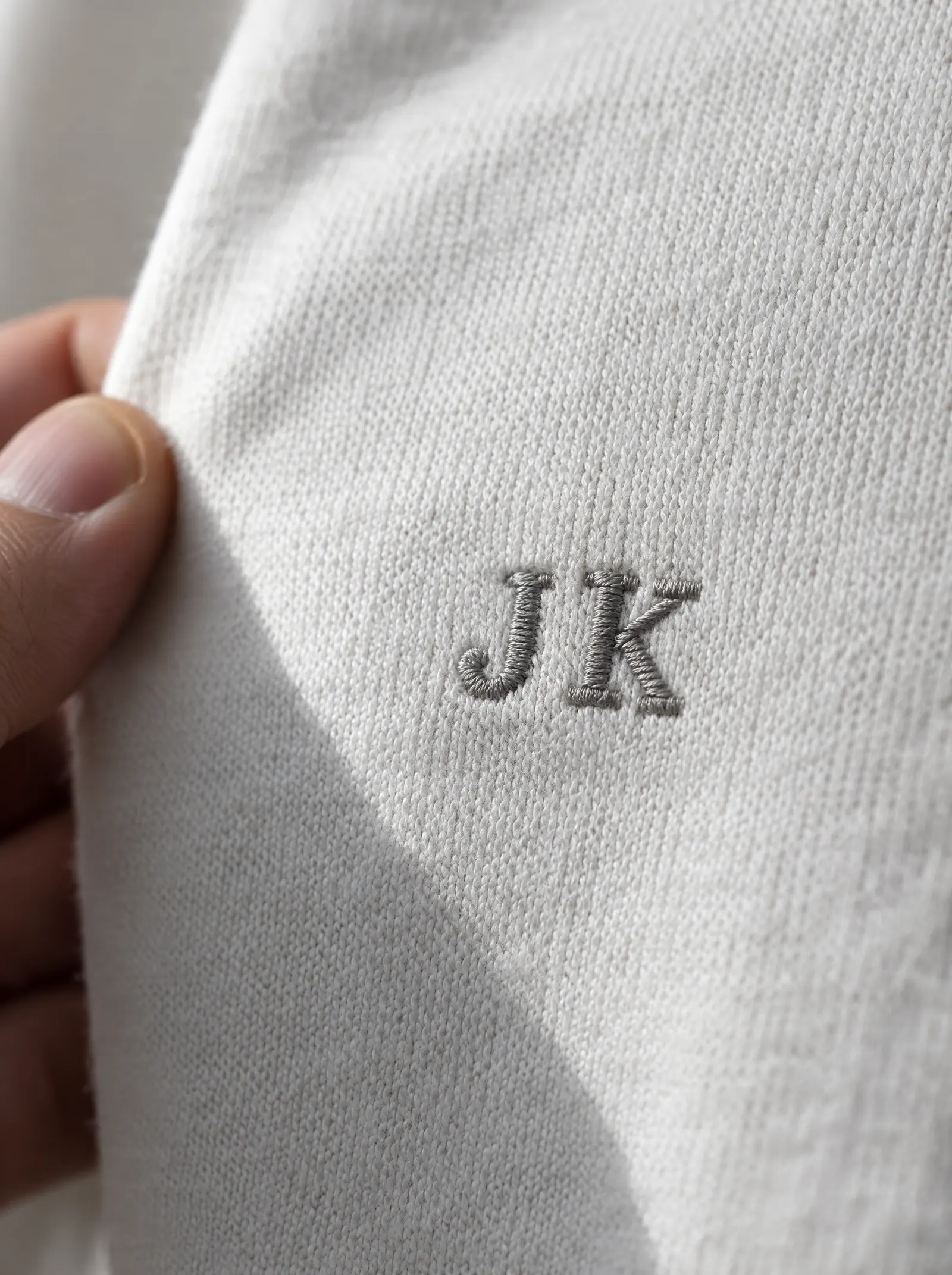
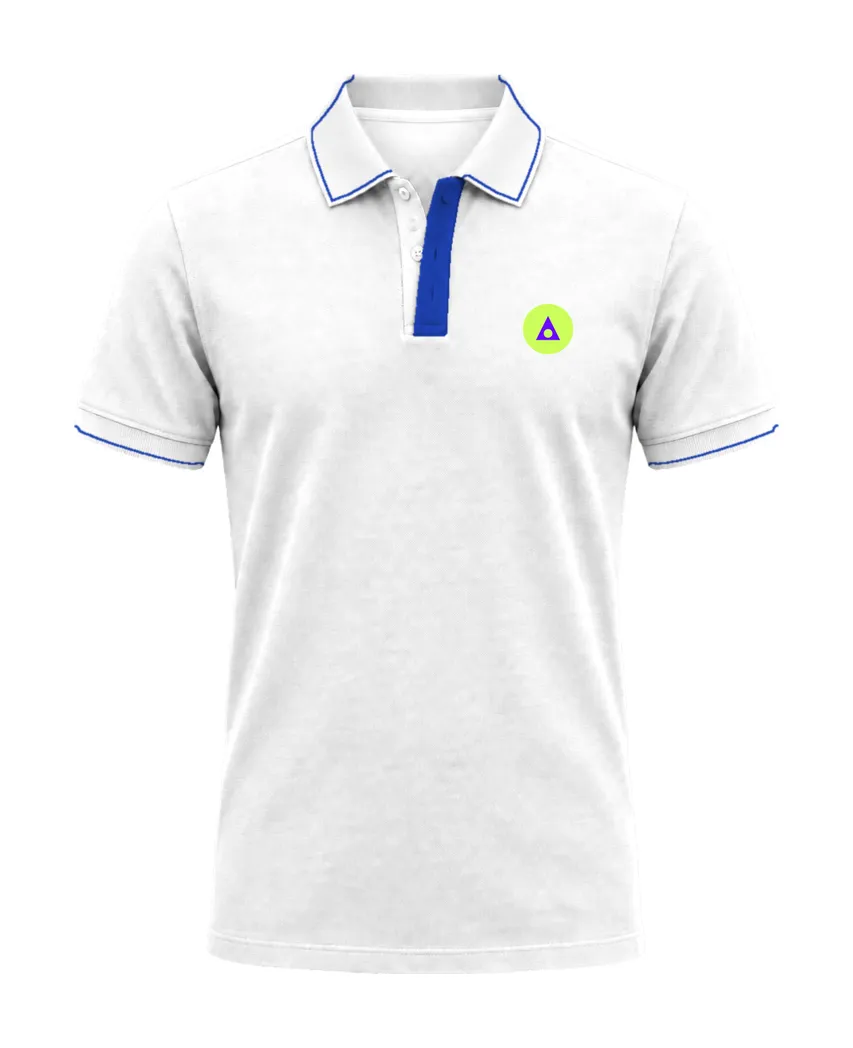
1. The body. The strongest statement, and the only place that carries a dye minimum if your colour is not core. 2. Contrast parts. On a polo: the collar, cuffs, placket and inner placket. On a t-shirt: the neck rib, sleeves and cuffs. On a hoodie: the hood, its lining, the cuffs and waistband, and the pocket. 3. Tipping. One or two stripes of your colour knitted into a polo collar and cuffs. 4. The logo. Thread and ink are chosen per order, so the logo can carry your colour even on a single piece.
A charcoal polo with tipping and thread in your exact shade often looks more like your brand than a body in a near-miss colour.
Should every role wear the same colour?
Not necessarily. Front of house can wear the brand colour body, where customers see it; back of house, drivers or warehouse staff can wear a dark core colour that hides wear, with the same logo and trims. They can run as separate specifications on one order and one invoice, so the colour plan is decided once.
What happens when you reorder?
This is where the routes differ most.
- Core colours are kept in cloth, so one new joiner can have one uniform, matching everyone else's.
- Extended and Pantone colours are dyed a batch at a time, and each new batch has the same minimum as the first. Dyed batches can also differ slightly in shade from one to the next.
So if you choose a dyed body colour, order spares with the first run: enough for the people you expect to hire before your next large order. Keep them in each size you use most. If a role turns over quickly, consider a core colour for that role and keep the brand shade for the roles that stay.
Can a polo, a t-shirt and a hoodie all match?
Close, but not identical. Cotton pique, jersey and fleece take the same dye differently, so the same named colour can look slightly different across garments. A Pantone match is made separately for each fabric, and the minimum applies per garment, not per order.
If an exact match across garments matters, keep one garment in the brand colour and the others in a neutral core colour with matching trims and logos. Our guide to choosing t-shirt colours covers pairing garment and print colours, and why colour minimums differ explains the dyeing.
How long will each route take?
- Core colour, matching parts, DTF or embroidery, up to 50 pieces: from 4 days.
- An extended colour, contrast parts or tipping, screen printing, or more than 50 pieces: 12 days.
- Your Pantone: 30 days.
For a uniform launch, work back from the day staff need to wear it, then add a week for approving the mockup and collecting sizes. The polo collar styles guide shows which collars add time.
What to send us
- Your brand colour as a Pantone reference, not a hex code from a screen.
- The roles, the garment for each and how many people in each.
- Which parts should carry the brand colour.
- Your logo as a vector file.
We come back with a mockup for each role and a quote that states the colour route, its minimum and the date.
Quick answers
Can staff uniforms be made in our exact brand colour?
Yes. The body can be dyed to your Pantone from 300 pieces, with dispatch in 30 days. The minimum is set per garment by how much cloth it uses. For smaller teams, put your exact colour in the trims, tipping and logo instead.
What is the cheapest way to get brand colours on a uniform?
Choose the nearest core colour for the body, which works from one piece, and put your exact shade in the logo, the collar or the cuffs. There is no dye minimum, and reorders for new joiners can be a single piece.
Will reordered uniforms match the first batch?
In a core colour, yes: the cloth is kept in stock. Extended and Pantone colours are dyed per batch, each batch has the same minimum, and shades can vary slightly between batches. Order spares with the first run.
Is there a core colour for an orange or yellow brand?
No. Yellow and Woody Orange are extended colours, dyed to order from 75 pieces. For a small team, use a neutral core body with your colour in the collar, cuffs and logo.
How long do uniforms in an extended colour take?
12 days from approving the mockup, from 75 pieces. A core colour order with matching parts, up to 50 pieces, can go from 4 days, and a Pantone colour takes 30.